

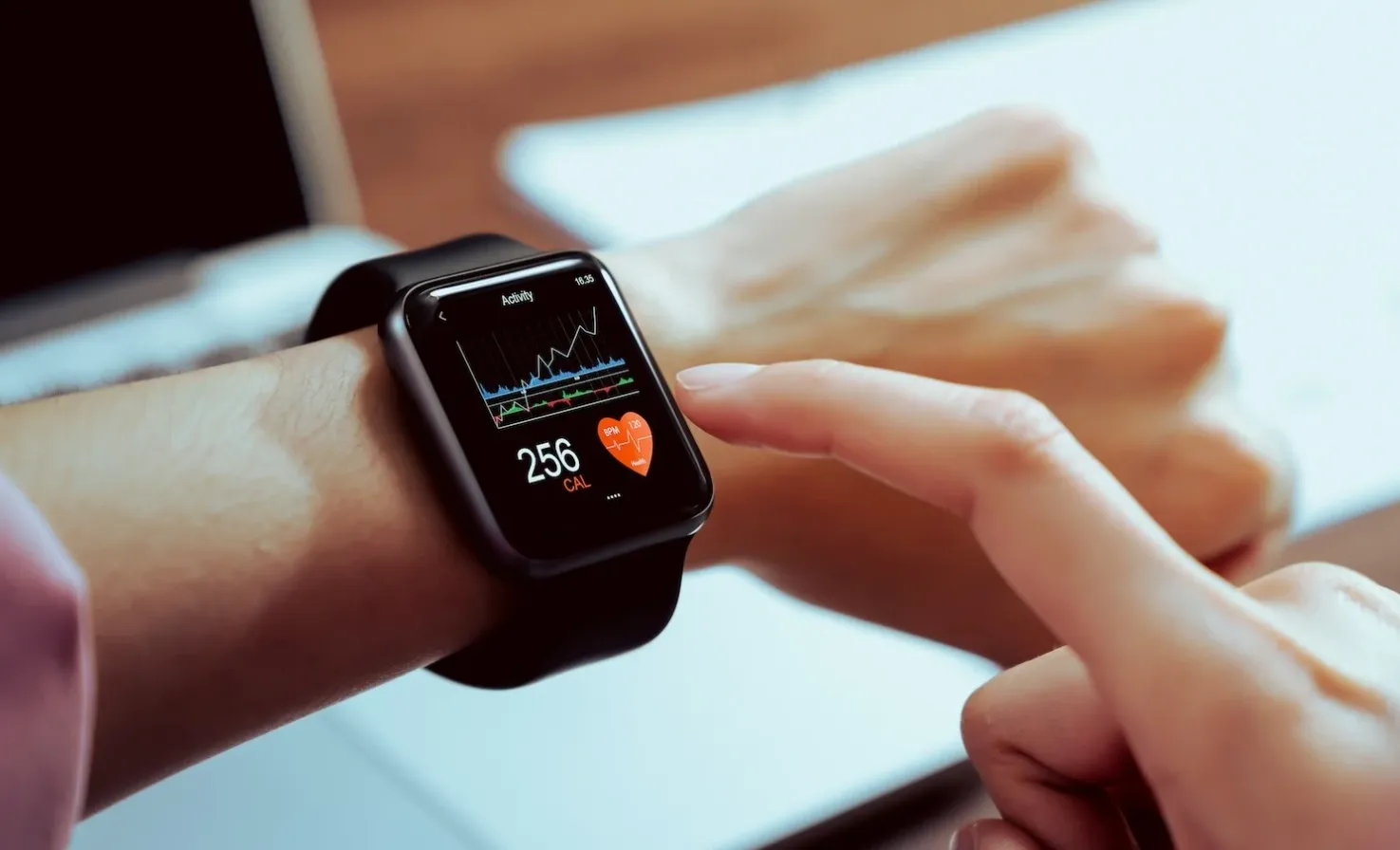
In today’s digital age, the line between healthcare and technology is becoming increasingly blurred. One of the most exciting developments in this space is wearable health technology—devices that not only track your fitness but also actively monitor your health and, in some cases, can even save your life.
From smartwatches detecting irregular heart rhythms to wearable patches that track glucose levels in real time, these innovations are transforming how we approach wellness and emergency care.
This article explores the life-saving potential of wearable devices, how they work, and the impact they may have on the future of healthcare.
Contents
The Rise of Wearable Health Technology
Wearables were once marketed primarily as fitness trackers—tools to count steps, track workouts, or measure calories burned. However, as sensors and artificial intelligence (AI) have advanced, these devices have evolved into sophisticated health monitors.
Modern wearables can:
- Detect heart irregularities such as atrial fibrillation.
- Monitor oxygen levels in the blood.
- Track glucose for diabetic patients.
- Provide fall detection and emergency alerts.
- Monitor sleep apnea and respiratory issues.
Healthcare professionals increasingly rely on these technologies to complement traditional medical diagnostics. This shift empowers individuals to take more control of their health, offering early warnings for serious conditions.
Life-Saving Features in Wearables
1. Heart Health Monitoring
One of the most significant breakthroughs has been the integration of ECG (electrocardiogram) features into smartwatches. Apple Watch, Fitbit, and Samsung Galaxy Watch, among others, can detect atrial fibrillation (AFib), a common but dangerous heart rhythm disorder.
- Why it matters: AFib increases the risk of stroke by five times. Detecting it early gives doctors a chance to prescribe preventive treatment.
- Example: In multiple reported cases, Apple Watch alerts have led users to seek emergency care for undiagnosed heart conditions, preventing potentially fatal outcomes.
2. Blood Oxygen and Respiratory Monitoring
During the COVID-19 pandemic, SpO2 sensors became a critical tool. These sensors monitor oxygen saturation in the blood, alerting users when levels dip below safe thresholds.
- Why it matters: A drop in oxygen can indicate respiratory illnesses like pneumonia, asthma attacks, or even early symptoms of COVID-19.
- Real-world use: Wearables provided peace of mind for many patients quarantining at home, allowing them to seek medical care when oxygen levels became dangerously low.
3. Glucose Monitoring for Diabetes
Traditional glucose monitoring requires frequent finger pricks, but continuous glucose monitors (CGMs) now offer a non-invasive solution. Devices like Dexcom and Abbott’s FreeStyle Libre can sync with smartphones and smartwatches.
- Why it matters: Continuous monitoring allows diabetics to adjust diet, insulin, and exercise instantly, reducing life-threatening hypoglycemic or hyperglycemic episodes.
- Life-saving potential: Alerts can notify both patients and caregivers of dangerously high or low blood sugar levels in real time.
4. Fall Detection and Emergency SOS
For elderly individuals, falls are one of the leading causes of serious injury or death. Smartwatches and medical alert wearables now come with accelerometers and gyroscopes to detect sudden falls.
- How it works: If the wearer doesn’t respond after a fall, the device automatically contacts emergency services or a designated caregiver.
- Why it matters: Quick medical attention can significantly improve survival rates and recovery outcomes.
5. Sleep and Stress Monitoring
Sleep apnea and stress-related illnesses often go unnoticed. Devices like Fitbit, WHOOP, and Oura Ring use advanced sensors to measure heart rate variability, oxygen levels, and breathing patterns.
- Why it matters: Sleep apnea can lead to cardiovascular disease, while chronic stress raises risks of hypertension and mental health crises.
- Life-saving angle: Early detection encourages medical evaluation and treatment before these issues escalate.
The Technology Behind Wearables
The effectiveness of these devices comes from the combination of miniaturized sensors, wireless connectivity, and AI-driven algorithms.
- Sensors: Measure biometrics like heart rate, blood oxygen, glucose, or motion.
- Connectivity: Data is transmitted to smartphones or cloud platforms for real-time monitoring.
- AI Analysis: Algorithms interpret raw data, identifying patterns that might indicate health risks.
These capabilities make wearables not just passive trackers but active health guardians capable of life-saving interventions.
Benefits for Patients and Healthcare Systems
- Early Detection and Prevention
Wearables detect problems before they become emergencies, allowing preventive care. This reduces hospital visits and healthcare costs. - Continuous Monitoring
Unlike annual check-ups, wearables provide 24/7 insight into an individual’s health, giving doctors valuable long-term data. - Patient Empowerment
Patients become active participants in their own healthcare, learning how lifestyle choices directly affect their wellbeing. - Remote Healthcare and Telemedicine
Doctors can remotely monitor patients, making wearables a vital tool in telehealth. This is especially useful for rural or underserved areas.
Challenges and Limitations
Despite their promise, wearable health devices face several hurdles:
- Accuracy: While improving, sensors can still give false positives or negatives, potentially causing unnecessary panic or false reassurance.
- Privacy Concerns: Health data is highly sensitive, and storing it in the cloud raises cybersecurity risks.
- Accessibility and Cost: Not everyone can afford advanced wearables, creating a healthcare divide.
- Dependence on Technology: Some users may rely too heavily on devices instead of seeking professional medical advice.
The Future of Life-Saving Wearables
The next decade promises even more groundbreaking innovations:
- Non-invasive Blood Pressure Monitoring – eliminating the need for cuffs.
- Wearable EKG Patches – providing hospital-grade continuous cardiac monitoring.
- Smart Clothing and Implants – textiles woven with sensors that track vital signs seamlessly.
- AI-Driven Predictive Health Alerts – detecting subtle patterns to predict conditions like strokes or heart attacks before they occur.
- Integration with Healthcare Systems – wearables syncing directly with electronic medical records for better coordination of care.
These advances suggest a future where wearable devices become an essential part of preventive healthcare, shifting the focus from treatment to proactive health management.
Real-Life Stories: Wearables Saving Lives
- Apple Watch and Heart Alerts: Numerous stories have surfaced where users were alerted to irregular heart rhythms, leading to life-saving diagnoses.
- Diabetic Teen Saved by CGM: A teenager with type 1 diabetes avoided a diabetic coma when her wearable alerted her parents at night about dangerously low glucose.
- Elderly Man Rescued After Fall: Fall detection on a smartwatch contacted emergency services when the wearer was unconscious, leading to timely medical intervention.
These real-world examples highlight the tangible, life-saving power of wearable devices.
Conclusion
Wearable devices are no longer just trendy gadgets—they are becoming lifesaving tools in modern healthcare. With their ability to detect heart conditions, monitor glucose levels, track oxygen, and even call for help in emergencies, they are revolutionizing how we manage our health.
While challenges such as accuracy, cost, and privacy remain, the future is bright. As technology continues to advance, these devices will become more accessible, accurate, and integrated into healthcare systems worldwide.
In a world where seconds can mean the difference between life and death, wearable technology is proving to be one of the most powerful allies we have in safeguarding our health.

Zack Hart
Hey there! I’m Zack Hart, the pun-dedicated brain behind PunsClick.
Based in Alaska, I built this site for everyone who believes a well-placed pun can brighten a dull day.
Whether you’re into clever wordplay or cringe-worthy dad jokes, you’ll find your fix here. We’re all about bringing the world closer — one pun at a time.