

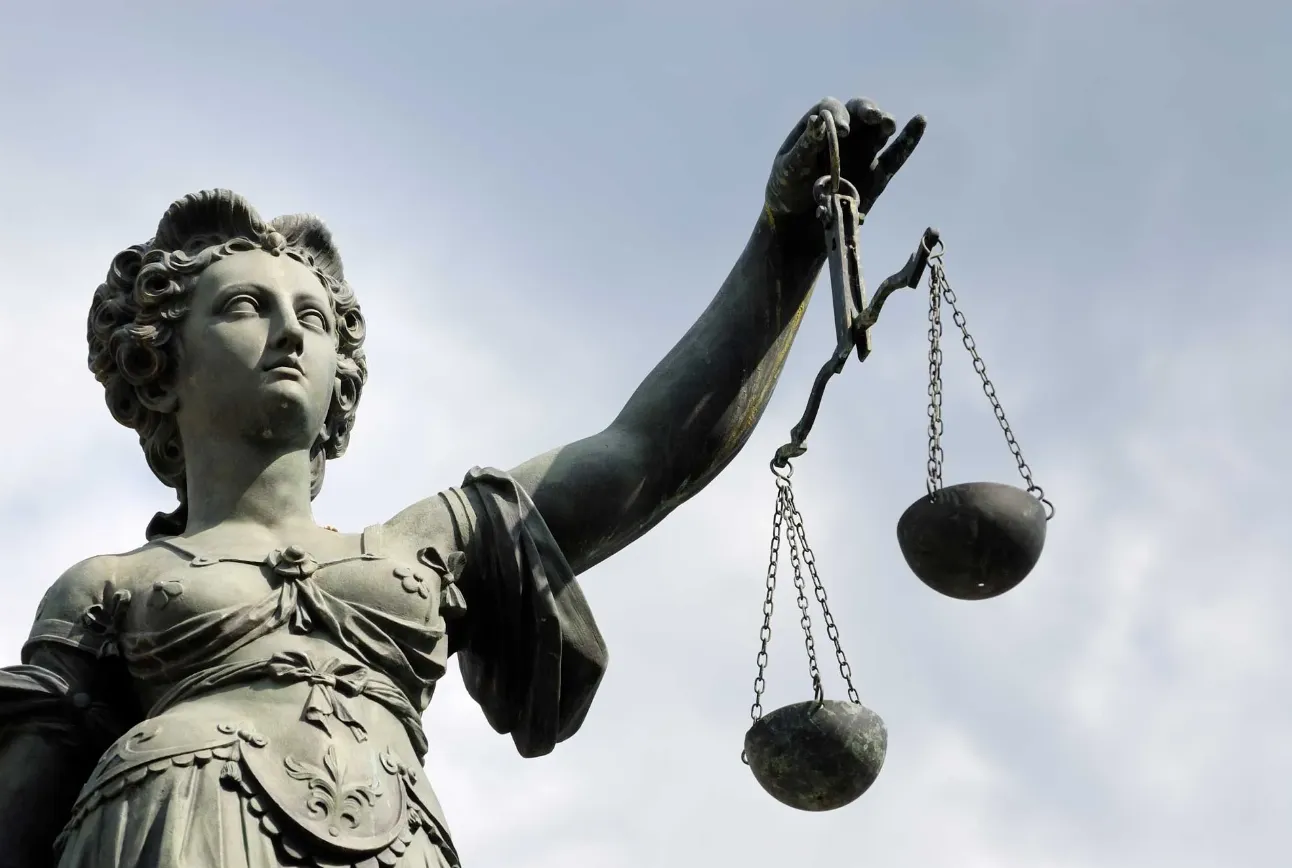
The concepts of law and social justice are deeply interconnected, yet they often operate in tension. Law is designed as a structured system of rules to govern society, while social justice represents the aspiration to ensure fairness, equality, and dignity for all individuals. Ideally, legal systems should uphold social justice, but history and practice reveal persistent gaps between what the law states and the lived realities of marginalized groups. Bridging this gap is one of the greatest challenges of modern governance, demanding that societies critically evaluate their legal frameworks, institutions, and cultural norms to achieve meaningful equality.
This essay explores the relationship between law and social justice, highlights historical and contemporary challenges, and proposes ways to align legal systems with the principles of fairness and equality.
Contents
Understanding Law and Social Justice
What is Law?
Law refers to a body of rules established by governing authorities to regulate human behavior, resolve conflicts, and maintain order. It provides structure, predictability, and accountability in society. However, laws are not neutral; they reflect the values, priorities, and power dynamics of those who create and enforce them.
What is Social Justice?
Social justice is a moral and political ideal centered on ensuring equitable access to resources, opportunities, and rights. It aims to dismantle systemic inequalities based on race, gender, class, ability, or other identities. Social justice requires not only equal treatment but also recognition of historical disadvantages that necessitate corrective action.
The Tension Between Law and Social Justice
While law is intended to guarantee fairness, it often lags behind evolving social justice movements. For instance, laws once justified slavery, denied women the right to vote, and criminalized same-sex relationships. Each of these examples demonstrates how legal systems can perpetuate inequality until challenged by social justice advocacy.
Historical Context: Law as a Tool of Inequality
Throughout history, laws have both reinforced and dismantled systems of oppression.
- Colonial Laws: European colonial powers imposed legal systems that prioritized their interests, displacing indigenous traditions and entrenching racial hierarchies.
- Slavery and Segregation: In the United States, laws legalized slavery and later enforced segregation under “Jim Crow” statutes. It required decades of activism and landmark rulings like Brown v. Board of Education (1954) to begin correcting these injustices.
- Gender Discrimination: Women were historically excluded from property ownership, political participation, and equal employment. Legal reforms such as the suffrage movement and gender equality acts were necessary to challenge systemic exclusion.
- Caste and Class Systems: In countries like India, caste-based discrimination was entrenched in social and legal practices. Constitutional reforms outlawed caste discrimination, but enforcement remains a continuing struggle.
These historical examples show that while law often enforces inequality, it can also serve as a powerful tool for reform when guided by social justice principles.
Contemporary Challenges in Bridging Law and Social Justice
Despite progress, legal systems today still fall short of achieving full equality. Some of the most pressing challenges include:
1. Racial and Ethnic Disparities
Minority communities frequently experience disproportionate policing, higher incarceration rates, and unequal access to justice. For example, studies in the U.S. reveal racial profiling and sentencing disparities that undermine the principle of equal protection under the law.
2. Gender Inequality
Although most countries legally recognize gender equality, structural barriers persist. Women face wage gaps, underrepresentation in leadership roles, and inadequate protection from gender-based violence. Legal systems often fail survivors of abuse due to stigma, poor enforcement, or systemic bias.
3. Economic Inequality
Laws regulating labor, housing, and healthcare often disadvantage low-income groups. For instance, eviction laws can disproportionately affect vulnerable renters, while unequal access to quality legal representation further entrenches poverty.
4. LGBTQ+ Rights
Progress has been made globally in recognizing same-sex marriage and protecting against discrimination. However, many nations still criminalize same-sex relationships or fail to protect LGBTQ+ individuals from workplace and housing discrimination.
5. Disability Rights
Although international agreements like the UN Convention on the Rights of Persons with Disabilities exist, enforcement is inconsistent. Barriers in education, employment, and public accessibility reveal ongoing gaps between legal frameworks and lived experiences.
6. Migrant and Refugee Rights
Immigration laws often prioritize national security over human dignity, leaving migrants and refugees vulnerable to exploitation, detention, and inadequate access to justice.
Pathways to Bridging the Gap
Addressing these challenges requires a multi-faceted approach that goes beyond passing new laws. Effective strategies include:
1. Constitutional and Legislative Reforms
Constitutions and statutes should explicitly guarantee equality and prohibit discrimination. For example, South Africa’s post-apartheid constitution is hailed as one of the most progressive in embedding social justice principles. However, legislation must also be clear, enforceable, and accompanied by mechanisms for accountability.
2. Judicial Activism
Courts play a pivotal role in interpreting laws through a social justice lens. Landmark rulings often advance equality when legislatures are slow to act. For instance, the Indian Supreme Court’s decision to decriminalize homosexuality (Navtej Singh Johar v. Union of India, 2018) exemplifies judicial courage in aligning law with social justice.
3. Access to Justice
Bridging the gap requires ensuring that marginalized groups can access legal systems. Legal aid programs, community legal clinics, and simplified procedures help dismantle barriers such as high costs, complex language, and systemic bias.
4. Public Policy and Welfare Measures
Laws alone cannot guarantee equality; social policies must address structural disadvantages. Initiatives like affirmative action, universal healthcare, and subsidized education reduce inequalities and empower disadvantaged groups to exercise their legal rights.
5. Education and Legal Literacy
Empowering individuals with knowledge about their rights is crucial. Legal literacy campaigns help people recognize discrimination and challenge unjust practices. Schools and community organizations play a vital role in fostering awareness of social justice principles.
6. Civil Society and Advocacy
Social movements and NGOs act as watchdogs, pressuring governments to reform unjust laws and implement existing protections effectively. The #MeToo movement, Black Lives Matter, and climate justice campaigns highlight how collective action drives legal and cultural change.
7. International Law and Human Rights Frameworks
Global conventions and treaties, such as the Universal Declaration of Human Rights, provide benchmarks for national governments. International bodies can exert moral and political pressure on states to align their laws with global standards of justice.
Case Studies of Progress
Civil Rights Movement in the U.S.
The Civil Rights Movement of the 1960s successfully challenged racial segregation and voting discrimination through landmark legislation like the Civil Rights Act (1964) and Voting Rights Act (1965). It demonstrated how activism and legal reform can converge to advance social justice.
Marriage Equality
The legalization of same-sex marriage in many countries illustrates how sustained advocacy, legal challenges, and shifting public opinion can align laws with principles of equality. The U.S. Supreme Court’s ruling in Obergefell v. Hodges (2015) is one such example.
Disability Rights in the European Union
The EU has enacted strong anti-discrimination directives ensuring accessibility and workplace protections for people with disabilities. Although implementation varies, these laws represent a significant step toward inclusivity.
The Role of Technology in Advancing Social Justice
Modern technology is transforming how legal systems interact with social justice movements. Digital platforms enable marginalized voices to be heard, document abuses, and mobilize global solidarity. Online legal aid services, AI-driven translation tools, and blockchain for secure identity verification are innovations that expand access to justice. However, technology can also exacerbate inequality if not carefully regulated—such as biased algorithms in policing or surveillance systems that disproportionately target minorities.
Conclusion
The pursuit of social justice through law is an ongoing process, not a final destination. While laws have historically entrenched inequality, they also hold the power to dismantle systemic barriers and build more inclusive societies. Bridging the gap requires more than formal equality; it demands active engagement by governments, courts, civil society, and citizens to align legal systems with the principles of fairness and human dignity.
Ultimately, true justice is realized not only when laws are written but when they are lived. A socially just society ensures that every individual, regardless of race, gender, class, or identity, can participate fully and equally in the collective life of their community. The challenge for the future lies in continually reshaping our legal systems to meet this vision, making law a genuine instrument of equality and justice.

Zack Hart
Hey there! I’m Zack Hart, the pun-dedicated brain behind PunsClick.
Based in Alaska, I built this site for everyone who believes a well-placed pun can brighten a dull day.
Whether you’re into clever wordplay or cringe-worthy dad jokes, you’ll find your fix here. We’re all about bringing the world closer — one pun at a time.