

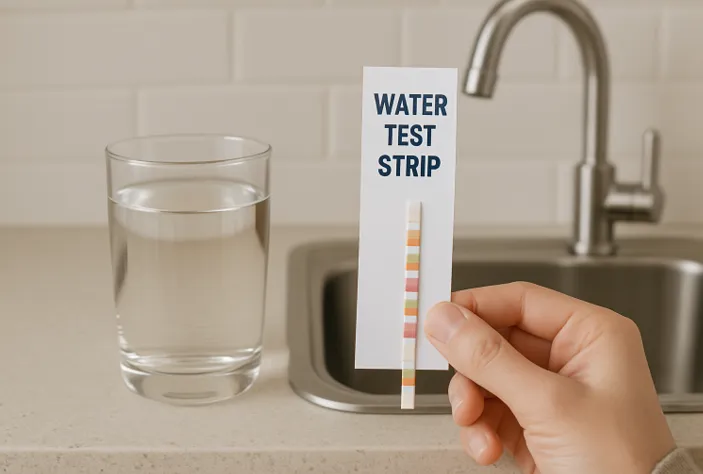
Ensuring that your home’s drinking water is safe is vital to protecting your family’s health. While most municipal systems are regularly monitored, potential contaminants can still slip into your tap water through aging infrastructure or environmental changes. To guard against these hidden risks, conducting regular DIY water tests provides peace of mind and early warning if action is needed. If you use well water, it’s especially important to check for contaminants regularly, as the quality of well water can fluctuate depending on various local factors. Learn more about well water testing Columbia SC, as a helpful resource to get started.
Simple, affordable water testing kits are widely available at hardware stores and online. However, the accuracy and comprehensiveness of these testing kits can vary, so understanding both their strengths and limitations will allow you to make informed decisions about your water. Frequent testing at home can help detect changes, but for a comprehensive analysis, professional testing from certified laboratories is often recommended.
Preventive steps, such as routine plumbing checks and filter maintenance, work in conjunction with regular testing to ensure safe drinking water for your household. Recognizing the common types of water contaminants and knowing when to escalate to professional testing are key to keeping your family safe.
For those who want to dig deeper into how contaminants like lead or bacteria affect household water and what steps the EPA recommends, visit the U.S. Environmental Protection Agency’s drinking water resource page.
Understanding Common Water Contaminants
Household water can be affected by various impurities, each with distinct health concerns and sources. Below are three of the most important threats:
- Lead: One of the most dangerous water contaminants, lead often corrupts tap water through old pipes and plumbing fixtures. Even low levels can be hazardous, particularly for children, causing developmental and neurological problems.
- Bacteria: Coliform bacteria, which indicate potential contamination from human or animal waste, are a significant indicator of possible pathogens in your water. Bacteria can make you seriously ill, especially vulnerable children and elderly family members.
- Nitrates: Most commonly found in rural areas due to fertilizer runoff, high nitrate levels are most dangerous for infants and pregnant women, potentially causing, among other issues, a life-threatening blood disorder known as “blue baby syndrome.”
Identifying the type of contaminant is the first step toward resolving the issue. The Centers for Disease Control and Prevention has a helpful overview of waterborne pollutants and health risks for more in-depth information.
Choosing the Right DIY Water Testing Kit
Not all water testing kits are created equal. When searching for a kit that fits your needs, keep these points in mind:
- Scope: Choose a kit that checks for contaminants most relevant to your region and household. Research water quality reports or consult with your local health department for guidance on water quality.
- Accuracy: Look at customer reviews or independent assessments of the kit. Accuracy and reliability can differ greatly between brands. Be wary of kits that promise extremely broad detection, as these may be less accurate for specific threats.
- Ease of Use: The best testing kits are the ones you’ll actually use. Clear instructions and readable results charts are essential for any DIYer.
In a 2025 study from the University of Massachusetts Amherst, researchers found notable inconsistencies among commonly sold at-home water testing kits and highlighted the need for better industry regulation.
Conducting a DIY Water Test
Performing a home water test doesn’t need to be complicated. These steps will guide you through the process:
- Read Instructions Carefully: Each test kit is unique, so thorough reading is essential for accurate results.
- Collect the Sample: Always use a clean container to avoid cross-contamination.
- Perform the Test: Apply the provided test strips or drop solutions as instructed in the kit. Most kits require waiting for a set reaction time.
- Interpret Results: Match your test’s color change or numerical result to the provided chart to identify any problem contaminants.
Consider retesting if you notice odd tastes, odors, or discoloration, and keep a log to track changes over time.
When to Seek Professional Testing
While DIY kits can flag an issue, sometimes, you’ll need a more comprehensive evaluation:
- Inconsistent or confusing results from DIY tests
- A local contamination event or plumbing work
- Before moving into a new home or after major renovations
Certified laboratories utilize advanced analytical tools, ensuring high accuracy and comprehensive contaminant testing. For a list of accredited labs in your state, refer to your state or county health department website.
Maintaining Water Quality
DIY testing forms only one part of a well-rounded approach to water safety. You should also:
- Inspect and upgrade old plumbing: Replacing aging lead or galvanized pipes significantly reduces the risk.
- Install certified water filters: Select filters that target specific contaminants for optimal results, and replace cartridges as recommended.
- Stay updated on local advisories: Monitor your city or county’s water quality reports, especially after severe weather or news of local contamination.
Combining regular checks, preventive measures, and prompt response to issues ensures long-term water safety for your family.
Conclusion
Regularly checking your water quality is essential for every home, whether your supply comes from a public utility or a private well. DIY test kits allow for convenient and cost-effective monitoring, but should be balanced with occasional professional lab testing for complete peace of mind. Staying proactive and vigilant about water safety means healthier, safer living for everyone in your household.

Zack Hart
Hey there! I’m Zack Hart, the pun-dedicated brain behind PunsClick.
Based in Alaska, I built this site for everyone who believes a well-placed pun can brighten a dull day.
Whether you’re into clever wordplay or cringe-worthy dad jokes, you’ll find your fix here. We’re all about bringing the world closer — one pun at a time.