

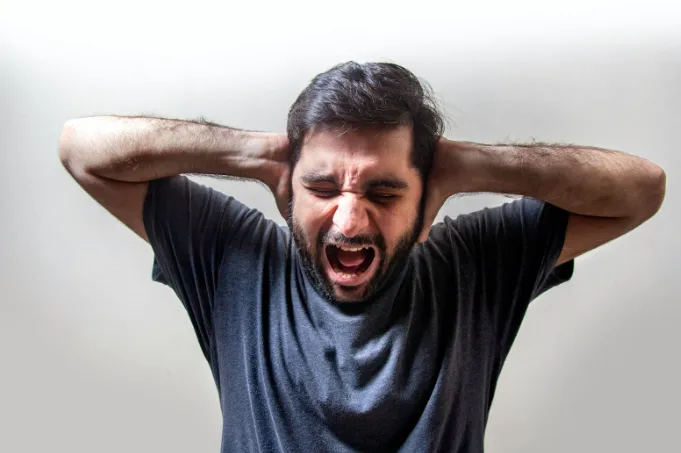
Panic attacks can be a deeply distressing experience, and for many, they don’t just occur during the day but also at night. Nighttime panic attacks, or nocturnal panic attacks, can disrupt sleep, cause intense fear, and leave individuals feeling physically and emotionally exhausted. In this blog, we’ll explore the nature of panic attacks at night, their causes, symptoms, and strategies to manage and cope with them.
Contents
What is a Panic Attack?
A panic attack is a sudden episode of extreme fear or anxiety that sets off a cycle of body and emotional symptoms. They can include:
- Racing heartbeat
- Shortness of breath
- Pain or tightness in the chest
- Chills or hot flashes
- Shaking or trembling
- Dizziness or lightheadedness
- Nausea
- Choking
- Fear of losing control or dying
Panic attacks usually last from a few seconds to around 30 minutes. While they feel intense and frightening, they are generally not physically harmful. They are unpleasant, however, particularly if they occur at night and disrupt one’s sleep.
Why Do Panic Attacks Occur At Night?
Nocturnal panic attacks occur when a person experiences a panic attack while asleep or just as they’re falling asleep. Such panic attacks are especially frightening as the person has no idea what the reason is, and the relaxation response of the body that is important for sleep is interrupted by an all-of-a-sudden feeling of fear.
There are various reasons why panic attacks can happen at night:
1. Sleep disturbances and stress
Daytime stress and hyperarousal can carry over into the night, leading to anxiety or panic attacks when the body finally begins to relax during sleep. When you’re exhausted and attempting to relax, your mind and body can remain in fight-or-flight mode, leaving you with a sense of anxiety or even of fear for no reason at all. Loss of sleep, as a result of concern related to coping with panic attacks, may become an anxiety cycle which makes what happens at night more probable.
2. Biological factors
In others, there may be a biological predisposition to the development of anxiety disorders and panic disorders. There are certain or other genetic or neurological vulnerabilities that can make a person susceptible to night panic attacks. The autonomic nervous system controls the body’s fight-or-flight response, and in some, it may become hyperactive when the person is sleeping and thereby cause an acute episode of anxiety symptoms.
3. Overactive mind at rest
When sleeping, the mind winds down and experiences of the day start coming to the forefront. Intruding thoughts, worries, or unconscious tensions of the day can surface and trigger panic while asleep. Such same thoughts, though, can lead to a panic attack in someone who is anxious or panicking.
4. Prior existing health conditions
Some medical conditions like sleep apnea, heart disease, or hyperthyroidism may induce panic attacks during nighttime. Medical condition-induced body sensations may make the body believe it is scared and thus trigger a panic attack. It’s important to rule out any underlying medical condition with the help of a doctor so it can be properly addressed.
Symptoms Of Panic Attacks At Night
Nighttime panic attacks are no different from daytime attacks where symptoms are concerned, but situations and timing make them something more ominous. The symptoms are:
- Sudden fear of harm
- Racing heartbeat or palpitations
- Shaking or trembling
- Dizziness, lightheadedness, or nausea
- Feeling of choking or shortness of breath
- Sweating
- Pain or tightness in the chest
- Inability to go back to sleep after an attack
- Feeling of dying or losing control
It is frightening to most people waking up in the middle of the night with these symptoms. The thought of having another attack or being trapped in bed creates anxiety towards sleeping, which makes it even more difficult to sleep.
How To Cope With Panic Attacks At Night?
Although it is frightening to have a night panic attack, there are some coping techniques through which the person can control and regulate the frequency of night panic attacks. Some of the best coping strategies are as follows:
1. Practice relaxation techniques
One of the best ways to manage nighttime panic attacks is to learn relaxation skills that calm both the body and mind. Skills such as deep breathing, progressive muscle relaxation, and guided imagery have been proven to stimulate the parasympathetic nervous system to cause relaxation and suppress the fight-or-flight response that causes panic attacks.
- Deep breathing: Inhale to the count of 4, hold for 4 seconds, and exhale to the count of 4. Do this a few times to calm the nervous system.
- Progressive muscle relaxation: Tense and release each muscle group from your toes all the way up to your head, to help decrease physical tension and stress.
- Guided imagery: Imagine yourself in a peaceful and tranquil environment, such as a beach or forest, to divert attention from anxious thoughts.
2. Create a soothing bedtime routine
Having a soothing bedtime routine is highly significant in averting panic attacks. This may involve:
- Shutting off electronics an hour prior to bedtime to maintain the stimulation out
- Reading a book or listening to relaxing music
- Hot bath or mindfulness meditation
- Keeping the bedroom cool, dark, and quiet helps improve sleep quality.
3. Cognitive Behavioral Therapy (CBT)
Cognitive behavioral therapy (CBT) is the best treatment for panic attacks, even night panic attacks. CBT makes the individual aware and battle irrational thoughts, reframe their thinking, and acquire coping skills. The therapist may be able to determine the reason for the anxiety and work out long-term coping mechanisms.
4. Avoid stimulants before bedtime
There are certain drugs that are sure to make an individual anxious and prone to panic attacks, particularly when one takes them as a prelude to sleep. Caffeine, alcohol, and nicotine are known to increase the level of anxiety, and it becomes challenging to relax and sleep soundly. Steering clear of such drugs a few hours before sleeping can decrease the likelihood of having a panic attack while sleeping by a huge margin.
5. Exercise regularly
Exercise calms anxiety and promotes more peaceful sleeping. Exercise boosts endorphins, the body’s natural feel-good chemicals. Avoid exercising too strenuously right before bedtime, as it can make it harder to relax and fall asleep.
6. Obtain professional assistance
If your panic attacks at night are disrupting your life and causing massive distress, then it is the time to see a professional. An expert doctor can assess your case, rule out any underlying medical condition, and recommend the right treatment plan. This may involve therapy, medication, or both.
Conclusion
Nighttime panic attacks are terrifying and bewildering, but they can be treated with the right mindset.
Understanding the causes, symptoms, and coping strategies for nocturnal panic attacks helps you regain control over your mind and sleep. Relaxation strategies, soothing pre-sleep routine, CBT, and seeking professional assistance are all mechanisms of controlling such an attack and preventing it in the future. Don’t wait—seek help and start the recovery process if you or someone you love is experiencing nighttime panic attacks.

Zack Hart
Hey there! I’m Zack Hart, the pun-dedicated brain behind PunsClick.
Based in Alaska, I built this site for everyone who believes a well-placed pun can brighten a dull day.
Whether you’re into clever wordplay or cringe-worthy dad jokes, you’ll find your fix here. We’re all about bringing the world closer — one pun at a time.