

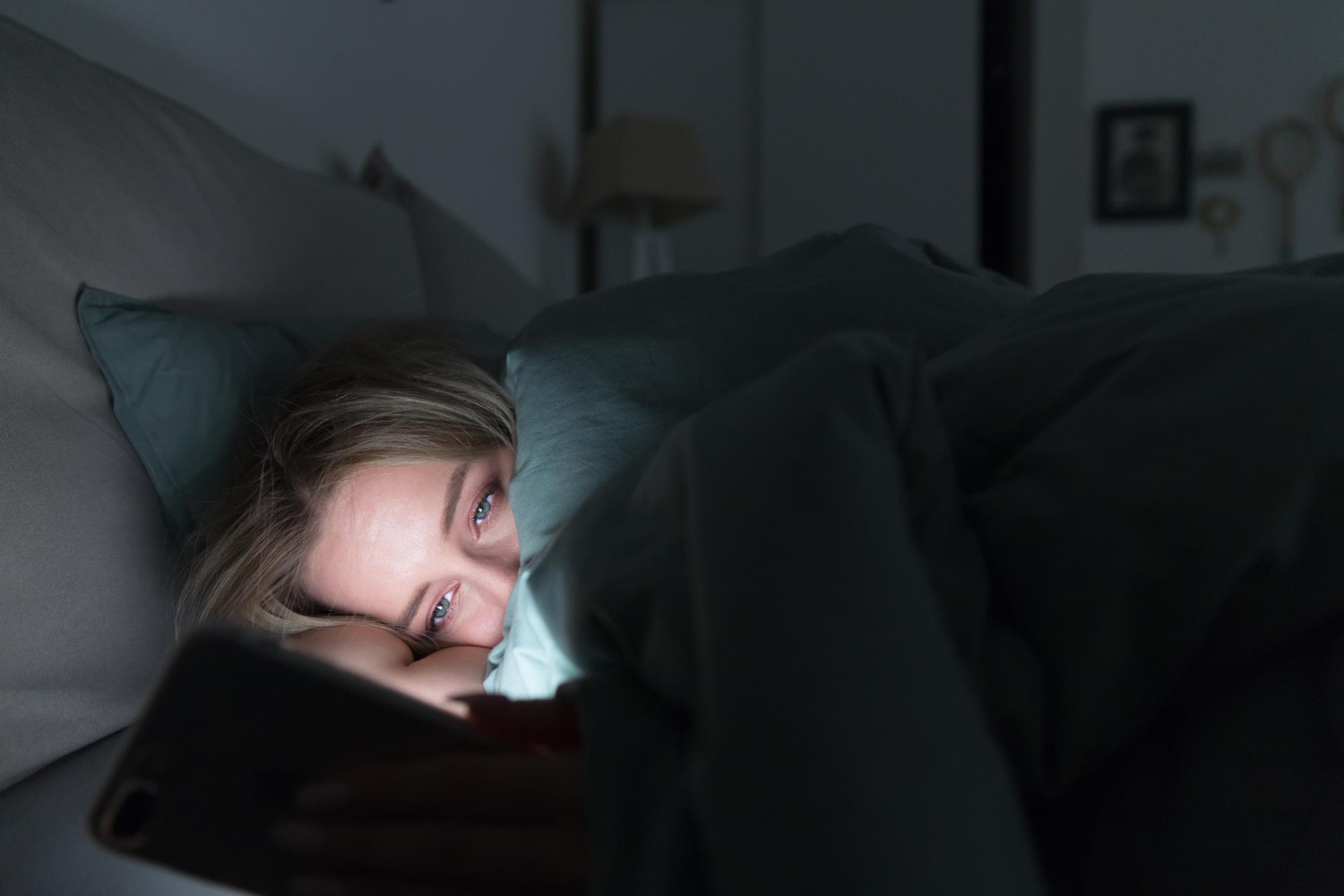

Sleep disturbances affect more than 50 million Americans, yet many people struggle in silence, unaware that their restless nights and exhausted days represent treatable medical conditions. The landscape of sleep medicine has evolved significantly, offering new hope for those who have tried traditional approaches without success. Modern sleep apnea treatment options have expanded considerably, providing breakthrough solutions for millions who struggle with breathing-related sleep conditions.
Sleep disturbances range from common insomnia to complex breathing interruptions, but they all share one important characteristic: they respond well to proper diagnosis and targeted treatment. Recognizing your specific sleep challenges represents the first step toward reclaiming the restorative rest your body and mind deserve.
If you’re dealing with persistent insomnia or suspect you might have sleep apnea, knowledge empowers you to make informed decisions about your sleep health and work effectively with healthcare providers to find solutions that fit your lifestyle.
Contents
Sleep Disorder Symptoms
These disturbances manifest through three distinct categories of symptoms: nighttime warning signs, daytime impact signals, and physical health indicators that can highly impact your daily functioning and long-term health.
Nighttime Warning Signs
Nighttime indicators often provide the clearest signals that something disrupts your sleep architecture. Loud, persistent snoring accompanied by gasping or choking sounds frequently indicates obstructive sleep apnea, particularly when witnessed by a partner. Frequent awakenings throughout the night, difficulty returning to sleep after waking, or restless leg sensations that improve with movement all suggest specific sleep disorders requiring different treatment approaches.
Daytime Impact Signals
Daytime consequences reveal how poor nighttime sleep affects your waking hours. Excessive sleepiness that persists despite seemingly adequate sleep time, difficulty concentrating during important tasks, or noticeable mood changes like increased irritability or depression often stem from fragmented sleep. Many people find themselves relying heavily on caffeine to function or falling asleep during meetings, while driving, or during other activities requiring alertness.
Physical Health Indicators
Physical manifestations include morning headaches, persistent dry mouth upon waking, or feeling unrefreshed even after seven to eight hours in bed. Some people experience memory problems, reduced reaction times, or changes in appetite and weight that correlate with their sleep difficulties.
When to Track Your Symptoms
Take note of symptoms persisting for three or more weeks, especially when they occur at least three nights per week. Keep a simple log noting your bedtime, wake time, how you feel in the morning, and any nighttime disturbances. This information proves invaluable during medical consultations and helps healthcare providers identify patterns that point toward specific sleep conditions.
What Are the Four Main Types of Sleep Disorders?
Organizing sleep conditions into four primary categories helps identify the most appropriate diagnostic tests and therapeutic interventions: breathing-related sleep disorders (like sleep apnea), insomnia disorders (difficulty falling or staying asleep), movement disorders (such as restless leg syndrome), and hypersomnia (excessive daytime sleepiness). This medical classification system provides a framework for targeted treatment approaches.
Breathing-Related Sleep Disorders
Breathing-related sleep disorders represent the most common category, affecting an estimated 22 million Americans. Obstructive sleep apnea occurs when throat muscles relax during sleep, allowing surrounding tissues to block the airway and interrupt breathing. These interruptions can happen dozens or even hundreds of times per night, preventing deep, restorative sleep phases. Central sleep apnea, though less common, involves the brain failing to send proper signals to breathing muscles. Untreated sleep apnea increases risks for high blood pressure, heart disease, stroke, and diabetes, making early intervention particularly important.
Insomnia Disorders
Insomnia disorders encompass difficulty falling asleep, staying asleep, or both, resulting in daytime impairment despite adequate sleep opportunities. Acute insomnia often responds to stress, travel, or temporary life changes, while chronic insomnia persists for months or years. This condition frequently intertwines with anxiety, depression, chronic pain, or medical conditions, requiring multi-faceted treatment approaches that address underlying causes alongside sleep symptoms.

Movement Disorders
Movement disorders include restless leg syndrome, characterized by uncomfortable sensations in the legs and an irresistible urge to move them, particularly during evening hours. Periodic limb movement disorder involves repetitive leg or arm movements during sleep that fragment rest for both patients and bed partners. These conditions often respond well to specific medications and lifestyle modifications.
Hypersomnia Disorders
Hypersomnia conditions involve excessive daytime sleepiness despite adequate nighttime sleep. Narcolepsy, affecting roughly 200,000 Americans, includes sudden sleep attacks, muscle weakness triggered by emotions (cataplexy), and vivid hallucinations during sleep transitions. While less common than other sleep conditions, hypersomnia disorders significantly impact safety and quality of life, requiring specialized management approaches.
Do You Need a Sleep Study to Diagnose Your Sleep Problem?
Accurate diagnosis forms the foundation of effective sleep disorder treatment, requiring systematic evaluation that often begins with detailed sleep tracking. Healthcare providers rely on objective data to distinguish between different conditions and recommend appropriate testing procedures.
Starting with Sleep Tracking
Starting a sleep diary two weeks before your medical appointment provides valuable insights into your sleep patterns. Record your bedtime, estimated time to fall asleep, number of nighttime awakenings, final wake time, and how refreshed you feel each morning. Note caffeine intake, alcohol consumption, exercise timing, and any medications, as these factors significantly influence sleep quality.
Primary Care Consultation
Your primary care physician serves as the logical starting point for sleep concerns, conducting initial evaluations that may identify obvious contributing factors like medication side effects, medical conditions, or lifestyle factors. They can rule out conditions like thyroid disorders, depression, or chronic pain that commonly disrupt sleep before referring you to specialists.
Home Sleep Testing
Sleep studies become necessary when symptoms suggest specific disorders requiring objective measurement. Home sleep apnea tests offer convenient screening for breathing-related disorders, monitoring oxygen levels, airflow, and respiratory effort in your familiar sleeping environment. These tests work well for detecting moderate to severe obstructive sleep apnea but may miss milder cases or other sleep disorders.

Insurance and Preparation
Most insurance plans cover sleep studies when medically necessary, though prior authorization may be required. Prepare for testing by maintaining your normal sleep schedule, avoiding caffeine and alcohol before the study, and bringing comfortable sleepwear and any regular medications.
What Are the Latest Innovations in Sleep Disorder Treatment?
Effective sleep disorder treatment has evolved from generic approaches to personalized strategies that address individual patient needs, preferences, and underlying causes. This shift recognizes that successful long-term management often requires combining multiple treatment modalities tailored to specific conditions and circumstances.
Conservative and Lifestyle Interventions
Conservative and lifestyle interventions form the foundation of sleep disorder management, often providing significant improvements when consistently applied. Sleep hygiene principles include maintaining consistent sleep and wake times, creating a cool, dark, quiet sleep environment, and avoiding stimulating activities before bedtime.
Position therapy benefits many people whose sleep apnea worsens when sleeping on their backs. Simple interventions like tennis balls sewn into pajama backs, wedge pillows, or specialized position-monitoring devices can substantially reduce breathing disruptions for positional sleep apnea patients. Eliminating alcohol before bedtime and quitting smoking both improve upper airway muscle tone and reduce inflammation that contributes to breathing difficulties.
Emerging Technologies
Emerging technologies include expiratory positive airway pressure (EPAP) devices that create resistance during exhalation, helping maintain airway openness. These small, disposable nasal devices offer convenient options for travel or patients seeking CPAP alternatives, though they work best for mild to moderate cases.
Pharmaceutical Approaches
Pharmaceutical approaches target specific sleep disorders with varying degrees of effectiveness. Narcolepsy responds well to stimulant medications and sodium oxybate, while restless leg syndrome often improves with dopamine agonists or specific anticonvulsants. Melatonin helps regulate circadian rhythm disorders, particularly for shift workers or frequent travelers experiencing jet lag.
Sleep apnea generally does not respond to medications alone, though researchers continue investigating pharmacological approaches that might improve upper airway muscle tone or reduce inflammation. Combination therapies that integrate multiple treatment modalities often yield superior results compared to single-intervention approaches.
How Do You Maintain Sleep Treatment Over the Years?
Working with Your Healthcare Team
Working closely with your healthcare team allows for treatment adjustments based on your response and changing circumstances. Sleep disorders may evolve with age, weight changes, or medical conditions, requiring modifications to therapeutic approaches. Regular follow-up appointments help identify emerging issues early and prevent treatment compliance problems that commonly develop over time.
Technology Integration
Technology integration enhances modern sleep disorder management through smartphone apps that track sleep patterns, CPAP machines with cellular connectivity that transmit usage data to providers, and wearable devices that monitor heart rate variability and movement patterns. This objective data helps healthcare providers fine-tune treatments and identify problems before they become significant issues.
Overcoming Common Obstacles
Address common obstacles proactively by developing strategies for travel, schedule disruptions, and equipment maintenance. Many patients benefit from backup treatment options for situations when primary therapies become temporarily unavailable or impractical.
How Can You Take Charge of Your Sleep Health?
Sleep disorders represent treatable medical conditions, not inevitable consequences of aging or stress that you must simply endure. The expanding arsenal of diagnostic tools and therapeutic options means that virtually everyone can find effective solutions when working with knowledgeable healthcare providers who understand the complexity of sleep medicine.
Treatment adherence directly correlates with quality of life improvements, energy levels, cognitive function, and long-term health outcomes. Millions of people have successfully managed their sleep disorders and regained the restorative rest that enhances every aspect of daily life. Your path to better sleep begins with recognizing that help is available and taking that crucial first step toward professional evaluation.
Don’t accept poor sleep as an unchangeable part of your life. With proper diagnosis and personalized treatment, you can join the ranks of those who have transformed their nights and reclaimed their days through effective sleep disorder management.

Zack Hart
Hey there! I’m Zack Hart, the pun-dedicated brain behind PunsClick.
Based in Alaska, I built this site for everyone who believes a well-placed pun can brighten a dull day.
Whether you’re into clever wordplay or cringe-worthy dad jokes, you’ll find your fix here. We’re all about bringing the world closer — one pun at a time.