

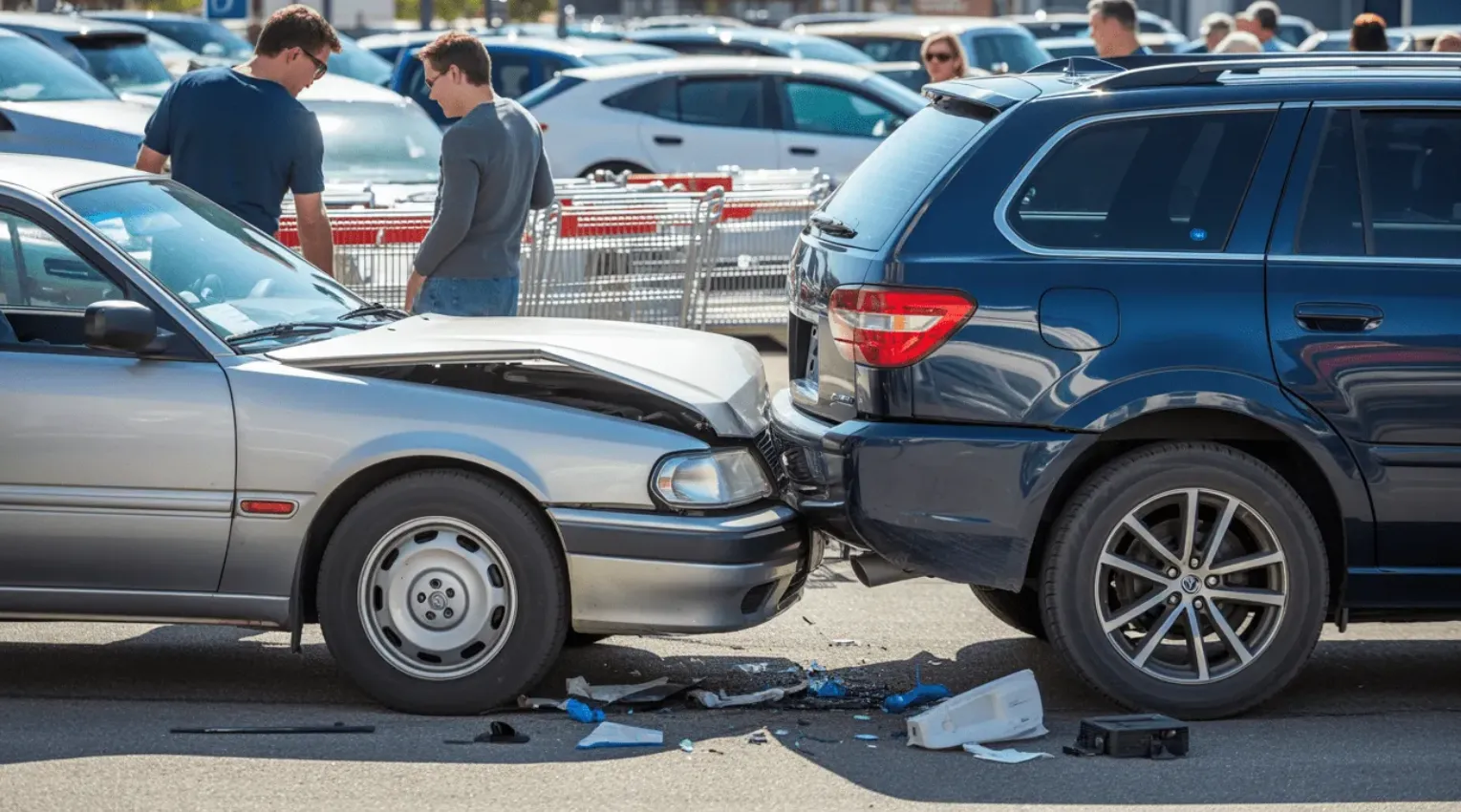
Lane-change accidents often happen in a split second—one vehicle moves over, another driver reacts too late, and suddenly there’s a sideswipe, a spin-out, or a multi-car crash. These cases can be more complicated than they look because both drivers may claim the other one “came out of nowhere.” Without clear proof, insurance companies may try to treat the collision as shared fault, even when one driver made an unsafe move.
That’s why investigation matters so much in lane-change crashes. The key questions are usually simple: Who changed lanes? Did they signal? Did they have enough space? Did someone drift or merge suddenly? But proving those answers requires evidence that locks down the timeline and vehicle positions. If you’re dealing with a disputed lane-change crash, Jacoby & Meyers can help gather the right proof and build a case that clearly shows how the collision happened and who was responsible.
Contents
- 1 Why Lane-Change Collisions Are Often Disputed
- 2 The First Step: Locking Down The Accident Scene Details
- 3 Vehicle Damage Patterns Reveal Direction And Position
- 4 Witnesses Are Especially Valuable In Lane-Change Cases
- 5 Signals, Blind Spots, And The “Unsafe Lane Change” Argument
- 6 Dashcams And Surveillance Footage Can Settle Fault Fast
- 7 Vehicle Data And Phone Data Can Strengthen The Timeline
- 8 Accident Reconstruction When Injuries Or Damages Are Severe
- 9 Proving A Lane-Change Crash Takes Evidence, Not Assumptions
Why Lane-Change Collisions Are Often Disputed
Unlike a rear-end crash, a lane-change accident doesn’t always leave an obvious “at-fault” pattern. The impact may be along the side of a vehicle, and both drivers may still be moving when the collision occurs. That makes it easy for the other driver to deny merging or claim you drifted into them.
Disputes also happen because drivers often don’t realize they are in another vehicle’s blind spot. A driver may insist they “checked” and saw nothing, but blind spots, mirror angles, and distractions can cause dangerous mistakes. Because of these gray areas, insurers frequently push comparative fault unless strong evidence proves otherwise.
The First Step: Locking Down The Accident Scene Details
Early documentation sets the foundation. Even if you didn’t take photos at the scene, investigators can still collect key information: the exact location, lane layout, skid marks, debris fields, and any roadway features like merge points or broken lane markings. These details help reconstruct how the vehicles approached each other.
Police reports can also capture scene facts, driver statements, and witness contact information. Investigators look for whether either driver admitted to switching lanes, mentioned a blind spot, or described sudden movement. Early statements can be important because people often change their story once they realize fault is being assigned.
Vehicle Damage Patterns Reveal Direction And Position
Where the vehicles are damaged often shows who moved into whom. For example, a car merging right into another lane may leave damage along the passenger side, often toward the front corner. A car that was already established in its lane may show damage along the driver side, sometimes centered along the door area.
Investigators also look at paint transfer, scrape direction, dent angles, and height differences between vehicles. These details help show whether the impact was a sideswipe, a clipping contact, or a more direct hit caused by a sudden lane entry. Repair estimates and body shop records can become key evidence when the crash photos are limited.
Witnesses Are Especially Valuable In Lane-Change Cases
Independent witnesses can make or break lane-change claims. A witness who saw a driver drift, cut someone off, or merge without signaling can resolve a dispute quickly. Witnesses can also confirm whether traffic was heavy, whether the lane change was abrupt, or whether a driver was driving aggressively.
Passenger statements can help too, especially when they describe what the driver did immediately before impact—like checking mirrors, signaling, or reacting to another vehicle’s sudden movement. The sooner witness information is preserved, the stronger it tends to be, because memory fades and people become harder to locate.
Signals, Blind Spots, And The “Unsafe Lane Change” Argument
Lane-change cases often come down to whether the lane change was safe. Investigators look at whether the driver signaled, whether there was enough space, and whether the driver could reasonably see the other vehicle. Failing to signal doesn’t automatically prove fault, but it can support the claim that the move was sudden or careless.
Blind spot issues matter as well. A driver may argue that you were in a blind spot too long or that you were speeding and “appeared suddenly.” That’s why investigators consider speed, traffic flow, and whether the merging driver had a duty to wait until the lane was clear.
Dashcams And Surveillance Footage Can Settle Fault Fast
Video evidence is one of the strongest tools in lane-change cases. Dashcams can show turn signals, lane drift, sudden merges, and whether one driver was already established in the lane. Nearby business surveillance cameras and freeway cameras may also capture the collision, especially at intersections, ramp merges, or busy commercial roads.
Because video is often deleted quickly, identifying cameras early matters. Investigators may check nearby gas stations, stores, parking lots, and residential security systems. In many lane-change disputes, even a few seconds of video can remove doubt and force the insurer to accept liability.
Vehicle Data And Phone Data Can Strengthen The Timeline
Many vehicles record crash-related information such as speed, braking, and steering input. If the data shows no braking or a sudden steering movement, it may support one driver’s account of being cut off or sideswiped. In some cases, the crash sequence can show which vehicle initiated the movement that led to the impact.
Phone data can matter too if distraction is suspected. A driver who was texting or using apps may drift or merge without noticing another vehicle. While phone records aren’t available in every case, they can be important in serious crashes where distraction may explain why the lane change was unsafe.
Accident Reconstruction When Injuries Or Damages Are Severe
When lane-change crashes cause serious injuries, rollovers, or multi-car pileups, accident reconstruction may be needed. Reconstruction experts evaluate vehicle damage, scene evidence, skid marks, timing, and roadway layout. They may create diagrams or simulations to explain how the collision occurred.
Reconstruction can also help clarify shared-fault claims. Insurers sometimes try to assign blame to both drivers automatically. A reconstruction analysis can show that one vehicle was established in its lane, traveling predictably, while the other executed an unsafe lane change that created the collision.
Proving A Lane-Change Crash Takes Evidence, Not Assumptions
Lane-change accidents are often disputed because the crash happens quickly and both drivers may tell different stories. That’s why proving liability requires evidence that shows lane position, timing, signaling, speed, and driver behavior. Vehicle damage patterns, witness testimony, video footage, and digital records can all help establish what truly happened.
If you’re involved in a lane-change collision, acting quickly matters. Evidence like footage and witness memory fades fast, and insurers may push shared fault by default. A strong investigation can turn a “he said, she said” crash into a clear, provable claim with a fair outcome.

Zack Hart
Hey there! I’m Zack Hart, the pun-dedicated brain behind PunsClick.
Based in Alaska, I built this site for everyone who believes a well-placed pun can brighten a dull day.
Whether you’re into clever wordplay or cringe-worthy dad jokes, you’ll find your fix here. We’re all about bringing the world closer — one pun at a time.