

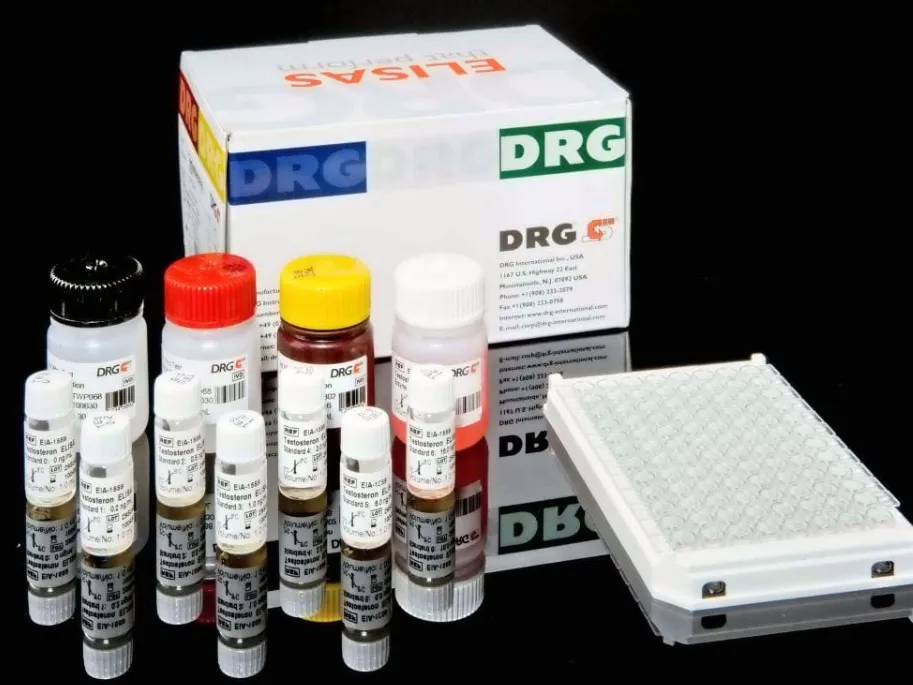
Buying a health-related product online can feel deceptively ordinary. The page looks clean. The price is visible. The checkout process feels familiar. That surface-level comfort is exactly what makes this category harder than it looks. With HGH, the real question is not whether a website seems convenient. It is whether the source behind that convenience deserves trust in the first place. FDA guidance warns that unsafe online pharmacies may sell counterfeit, unapproved, or otherwise unsafe products, and it specifically advises consumers to buy medicines only from legal and properly vetted sources.
Start with the source, not the sales page
The easiest mistake in this category is letting the store set the pace. Once someone starts looking at options for hgh online, the screen can fill up very quickly with bold claims, urgent language, and product pages that seem far more interested in closing the sale than earning confidence. That is why the first check should be the seller, not the offer. FDA says likely safe online pharmacies should require a valid prescription, provide a physical address and phone number, and offer access to a licensed pharmacist. If those basics are missing, the smooth design of the page does not mean much.
A polished page can still leave too many basic questions unanswered
Product pages can create false confidence very quickly. A professional layout, a product image, and a discount banner can make almost anything feel more legitimate than it really is. That is why the useful clues are often quieter than the marketing. Does the page explain how the business works. Does the language sound measured, or does every paragraph lean too hard on certainty. Does the site answer ordinary questions without overperforming. These things shape trust faster than many buyers realize, especially when the subject is a prescription-related product. FDA warning materials around unlawful online HGH sales make the point clearly: legality, physician oversight, and approved pathways matter, and online sellers that skip those steps are a serious concern.
The same goes for pricing. A low number on the screen can look attractive for a few seconds, but in this category it should raise more questions than excitement. At the same time, a higher price should not automatically be read as proof of quality. The safer habit is to see price as one clue, not the whole answer. If the store feels vague, inconsistent, or strangely theatrical, a better price does not fix that. If the structure feels transparent and verifiable, the buyer has something more solid to work with than a discount. FDA’s broader online-medicine guidance repeatedly comes back to the same point: legal sourcing matters more than convenience, especially when the product category already carries higher safety stakes.
Safe buying habits usually look ordinary, not clever
There is a tendency to think smart online buying comes from spotting deals faster than everyone else. In health-related categories, the better version of smart looks much plainer. It means checking whether the source is licensed or accredited where relevant. It means noticing whether the site sounds like it was written for humans instead of search traffic. It means treating overblown promises as a reason to stop, not as a reason to hurry. Google’s helpful-content guidance lines up well with that mindset too, because content built mainly to manipulate search visibility tends to feel very different from content built to genuinely inform the reader.
A few quiet checks can make a real difference:
- look for real business and contact details
- read delivery, support, and return pages before the product page wins you over
- check whether the site requires proper medical oversight where appropriate
- leave any store that leans too hard on miracle-style wording
- treat extreme pricing as a reason to pause, not rush
None of this sounds exciting, but that is the point. Buyers usually protect themselves better through ordinary caution than through confidence built on a slick page. FDA and NABP both frame safe online medicine purchasing in exactly that way.
The calmer decision is usually the stronger one
A good online health-related purchase rarely begins with urgency. It begins with enough patience to notice what feels off before money changes hands. That may mean leaving a page that looks polished but sounds vague. It may mean deciding that convenience is not a good enough reason to move forward. It may also mean choosing not to buy at all until the source, the process, and the level of oversight make more sense. FDA’s position is clear that medicines purchased online from foreign or unverified sources may not be safe or effective, which makes caution more than a personal preference. It makes it basic consumer protection.

Zack Hart
Hey there! I’m Zack Hart, the pun-dedicated brain behind PunsClick.
Based in Alaska, I built this site for everyone who believes a well-placed pun can brighten a dull day.
Whether you’re into clever wordplay or cringe-worthy dad jokes, you’ll find your fix here. We’re all about bringing the world closer — one pun at a time.