

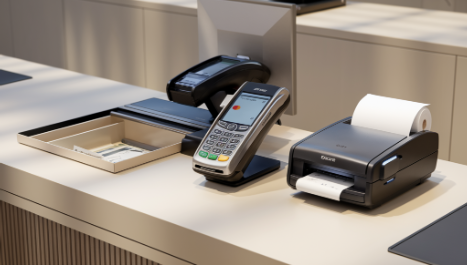
The modern retail checkout has become a critical battleground for customer loyalty. Credit card terminals—once simple swipe machines—now serve as sophisticated payment hubs that can make or break the shopping experience. As consumer expectations shift toward frictionless transactions, retailers face mounting pressure to process payments quickly while maintaining ironclad security.
This evolution reflects broader changes in how we think about commerce itself. Today’s payment terminals handle everything from traditional chip cards to contactless taps and mobile wallets, all while encrypting sensitive data in milliseconds. For retailers, understanding these systems isn’t just about keeping up with technology—it’s about staying competitive in an industry where a slow checkout line can send customers straight to a competitor.
Contents
- 1 From Carbon Paper to Contactless: The Payment Terminal Revolution
- 2 Why Payment Security Can’t Be an Afterthought
- 3 Selecting the Right Terminal for Your Business
- 4 What’s Next for Payment Processing Technology
- 5 The Business Case for Modern Payment Infrastructure
- 6 Making Payment Processing Work for Your Retail Operation
From Carbon Paper to Contactless: The Payment Terminal Revolution
The journey from manual imprinters to today’s intelligent terminals reveals how dramatically payment processing has transformed. Early credit card transactions required merchants to physically imprint card details onto carbon paper—a process prone to errors and fraud. The shift to electronic authorization in the 1970s marked the first major leap, but even those early terminals were bulky, slow, and limited to landline connections.
Modern retailers now choose from three primary terminal categories, each designed for specific operational needs:
- Countertop Terminals: These stationary units anchor traditional checkout lanes, offering robust processing power and integration with point-of-sale systems. They’re built for high-volume environments where speed and reliability matter most.
- Wireless Terminals: Operating on local networks, these devices let staff process payments anywhere within the store. Restaurants use them for tableside service, while boutiques bring them directly to customers browsing merchandise.
- Mobile Card Readers: Connecting to smartphones or tablets, these compact devices enable transactions wherever cellular or WiFi coverage exists. They’ve become essential for food trucks, farmers markets, and pop-up retail operations.
According to research from McKinsey’s Global Payments Report, the payments industry processed over $2.2 trillion in transaction revenues globally in 2023, with terminal technology playing a central role in that growth. The report highlights how payment infrastructure continues to evolve alongside changing consumer preferences and technological capabilities.
Why Payment Security Can’t Be an Afterthought
Data breaches at major retailers have made security a front-page concern. When customers hand over their cards, they’re trusting merchants to protect information that could devastate their finances if compromised. This trust isn’t abstract—it directly impacts whether shoppers return or take their business elsewhere.
Modern credit card terminals employ multiple defensive layers:
- End-to-End Encryption: Payment data gets scrambled the moment a card is read, remaining unreadable until it reaches the processor’s secure servers. Even if intercepted, encrypted data appears as meaningless strings of characters.
- Tokenization: Rather than transmitting actual card numbers, terminals substitute unique tokens that have no value outside the specific transaction. This means stored transaction records contain no exploitable payment data.
- EMV Chip Technology: Unlike magnetic stripes that store static data, chip cards generate unique transaction codes that can’t be reused. This has dramatically reduced counterfeit card fraud in countries that have adopted the standard.
- PCI DSS Compliance: The Payment Card Industry Data Security Standard sets baseline requirements for any business handling card data. Compliant terminals meet rigorous testing standards before reaching the market.
Selecting the Right Terminal for Your Business
Choosing payment hardware involves balancing immediate costs against long-term operational needs. A terminal that seems affordable upfront might lack features that become essential as your business grows, while overbuying capabilities you’ll never use wastes capital that could strengthen other areas.
Smart retailers evaluate these factors before committing:
- Total Cost of Ownership: Look beyond the sticker price to include transaction fees, monthly service charges, and potential upgrade costs. Some providers subsidize hardware but recoup expenses through higher processing rates.
- Payment Method Support: Verify the terminal accepts all payment types your customers use—chip cards, contactless, mobile wallets, and potentially emerging options like cryptocurrency or buy-now-pay-later services.
- System Integration: The terminal should communicate seamlessly with your inventory management, accounting software, and customer relationship systems. Standalone devices that don’t share data create operational blind spots.
- User Interface Design: Staff should be able to process transactions with minimal training. Confusing interfaces slow down checkout and increase error rates during busy periods.
- Vendor Support Quality: When terminals malfunction, every minute of downtime costs sales. Responsive technical support and clear warranty terms protect against extended outages.
Retailers have several purchasing channels to consider. Online marketplaces offer convenience and competitive pricing, though verifying authenticity and warranty coverage requires extra diligence. Authorized payment processors often bundle terminals with merchant accounts, simplifying setup but potentially limiting flexibility.
Suppliers offering credit card terminals with transparent total cost breakdowns and broad payment method support include DCCSupply, Square, and options through Payment Depot. Requesting detailed fee schedules—transaction rates, monthly charges, and upgrade costs—before comparing terminal prices reveals the true ownership costs this article emphasizes.
What’s Next for Payment Processing Technology
Payment technology rarely stands still for long. The terminals retailers install today will need to adapt to capabilities that are just emerging from labs and pilot programs. Understanding these trajectories helps businesses make forward-looking investments rather than buying equipment that’s already approaching obsolescence.
Several developments are reshaping what payment terminals can do:
- Biometric Authentication: Fingerprint and facial recognition could eventually replace PINs and signatures, speeding up verification while reducing fraud. Early implementations are appearing in high-security environments.
- Unified Commerce Platforms: Rather than separate systems for in-store, online, and mobile sales, integrated platforms let customers start transactions on one channel and complete them on another seamlessly.
- Real-Time Fraud Detection: Machine learning algorithms analyze transaction patterns as they occur, flagging suspicious activity before fraudulent charges complete. This protects both merchants and customers from losses.
- Cryptocurrency Acceptance: While still niche, some terminals now process Bitcoin and other digital currencies alongside traditional payments, appealing to tech-forward customer segments.
- Voice-Activated Transactions: Integration with virtual assistants could enable hands-free payment authorization, particularly useful in environments where touching screens is impractical.
The Business Case for Modern Payment Infrastructure
Upgrading payment terminals represents more than just replacing old equipment. The right systems create measurable improvements across multiple business metrics that directly impact profitability and growth potential.
Retailers implementing current-generation terminals typically see these benefits:
- Reduced Transaction Time: Contactless payments process in under two seconds compared to 10-15 seconds for chip insertions. During peak hours, those seconds multiply into significantly higher throughput.
- Lower Abandonment Rates: Long checkout lines drive customers away before they complete purchases. Faster processing means more completed sales and less inventory walking out the door unpurchased.
- Decreased Chargebacks: Advanced security features reduce fraudulent transactions that result in costly chargebacks and potential increases in processing fees.
- Improved Staff Efficiency: Intuitive terminals require less training and troubleshooting, freeing employees to focus on customer service rather than wrestling with payment technology.
- Better Data Insights: Modern systems capture detailed transaction data that reveals purchasing patterns, peak traffic times, and product performance—intelligence that informs smarter business decisions.
These advantages compound over time. A terminal that processes transactions 30% faster doesn’t just save seconds—it enables serving more customers with the same staff, reducing the labor cost per transaction while improving the experience for shoppers who value their time.
Making Payment Processing Work for Your Retail Operation
The payment terminal market offers more options than ever, which paradoxically makes choosing the right solution more challenging. Retailers must balance current needs against future requirements, all while managing budgets and maintaining the seamless experience customers expect.
The key considerations we’ve explored include:
- Terminal Evolution: Understanding how payment technology has progressed helps contextualize current capabilities and anticipate what’s coming next.
- Security Imperatives: Protecting customer data isn’t optional—it’s fundamental to maintaining trust and avoiding catastrophic breaches that can destroy businesses.
- Selection Criteria: Matching terminal features to your specific operational model ensures you’re not paying for unnecessary capabilities or missing essential ones.
- Emerging Trends: Staying informed about technological developments helps time upgrades strategically rather than being forced into reactive purchases.
- Operational Benefits: Modern terminals deliver measurable improvements in speed, security, and customer satisfaction that justify their investment.
As retail continues its rapid evolution, payment processing remains a critical touchpoint where technology directly shapes customer perception. The terminals you choose today will influence not just how efficiently you process transactions, but how customers feel about shopping with you—and whether they return.

Zack Hart
Hey there! I’m Zack Hart, the pun-dedicated brain behind PunsClick.
Based in Alaska, I built this site for everyone who believes a well-placed pun can brighten a dull day.
Whether you’re into clever wordplay or cringe-worthy dad jokes, you’ll find your fix here. We’re all about bringing the world closer — one pun at a time.