

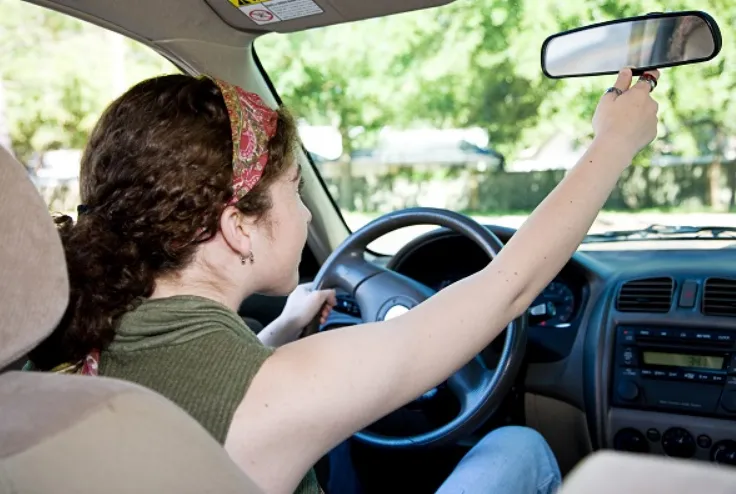
The moment a teenager gets behind the wheel for the first time is a milestone mixed with excitement and anxiety—usually excitement for the teen and anxiety for the parent. We often focus on the mechanics of driving: parallel parking, merging onto highways, and obeying traffic signals. While these skills are critical, the psychology behind driving decisions is equally important.
Teenagers are not just inexperienced drivers; their brains are still developing, specifically in areas responsible for impulse control and risk assessment. This biological reality, combined with a lack of road experience, creates a vulnerability that requires more than just a driver’s ed manual to manage. The influence of parents, mentors, and structured guidance plays a pivotal role in shaping how young drivers react to pressure, distraction, and unexpected hazards.
Understanding how guidance impacts decision-making can transform a novice driver into a safe, responsible motorist.
Contents
The Teenage Brain on the Road
To understand why guidance is necessary, we have to look at what is happening under the hood—not of the car, but of the driver. The prefrontal cortex, the part of the brain that governs judgment and decision-making, isn’t fully developed until the mid-20s. Conversely, the reward system in a teen’s brain is highly active.
This means that when a teenager is driving, the thrill of speed or the pressure to impress friends can easily override the logical understanding of safety rules. They might know the speed limit is 45 mph, but the impulse to keep up with a faster car might feel more urgent than the risk of a ticket or a crash.
Guidance acts as an external prefrontal cortex. When parents set strict rules and model safe behaviors, they provide the structure that the teen brain is still building. Consistent reminders about seatbelts, passenger limits, and phone usage create neural pathways that eventually become automatic habits.
The Power of Modeling Behavior
“Do as I say, not as I do” rarely works in parenting, and it fails miserably in driver education. Teenagers are observant. If a parent texts at red lights, speeds through yellow lights, or drives aggressively in traffic, the teen absorbs these behaviors as acceptable norms.
Positive role modeling is the most subtle yet powerful form of guidance. When a parent vocalizes their thought process while driving—”I’m slowing down because that car ahead looks like it might turn,” or “I’m putting my phone in the glovebox so I’m not tempted to look at it”—they teach the teen how to anticipate risks.
This commentary helps young drivers understand that driving isn’t just about physical reactions; it’s about constant observation and prediction. Seeing a parent handle a stressful traffic situation with patience rather than road rage teaches emotional regulation, a crucial skill for preventing accidents.
Establishing Boundaries and Consequences
While modeling is essential, explicit boundaries are the guardrails of teen driving. Structured agreements, often called Parent-Teen Driving Contracts, can be highly effective. These agreements outline specific rules regarding curfew, the number of passengers allowed, and zero-tolerance policies for distracted driving.
However, rules without enforcement are merely suggestions. It is vital that teens understand the consequences of their actions before they turn the ignition. If a teen is caught speeding or using their phone, the revocation of driving privileges should be swift and consistent.
These boundaries shouldn’t be framed solely as punishment. Instead, they should be presented as a necessary scaffolding to keep them safe until they have developed the experience to handle more freedom. Graduated Driver Licensing (GDL) laws in many states support this by legally restricting night driving and passenger numbers for new drivers, proving that structured limitations significantly reduce crash rates.
Even with the best guidance, mistakes happen. How a parent or mentor reacts to a fender bender or a close call can define the teen’s future driving attitude.
If a teen is involved in an accident, the immediate reaction is often panic. This is where calm, supportive guidance is crucial. Blame and anger can cause a teen to shut down or hide future issues. Instead, treating the incident as a learning opportunity helps them analyze what went wrong. Was it a distraction? Was it speed? Was it a failure to yield?
There are also legal and logistical realities to face after an accident. In some cases, professional help is required to navigate insurance claims and liability. For families in Utah, consulting a Provo car accident attorney can provide clarity on the next steps, ensuring that a teenage mistake doesn’t result in overwhelming legal burdens. This professional support can be a form of guidance in itself, teaching the teen accountability and the serious nature of road safety responsibility.
The Role of Peer Influence
Parents aren’t the only ones providing guidance. Friends play a massive role in teen decision-making. Unfortunately, peer pressure is a leading cause of distracted driving accidents.
Guidance involves teaching teens how to manage their passengers. This includes empowering them to tell friends to put on seatbelts or to stop showing them videos on their phones. Role-playing these conversations might feel awkward, but it gives the teen a script to use when they feel pressured. A driver who feels confident enough to say, “I’m not moving this car until everyone is buckled up,” is a driver who has internalized the right guidance.
Steering Toward a Safer Future
The goal of guiding a teen driver isn’t just to help them pass a test; it is to keep them alive and safe for decades to come. It requires a mix of patience, strict boundaries, and consistent positive modeling.
Teenagers want independence, and a driver’s license is the ultimate symbol of that freedom. By providing steady guidance, we ensure that they have the wisdom and judgment to handle that freedom responsibly. Every conversation about blind spots, every rule about curfews, and every example of patience behind the wheel adds a layer of protection that a car’s safety features simply cannot provide.

Zack Hart
Hey there! I’m Zack Hart, the pun-dedicated brain behind PunsClick.
Based in Alaska, I built this site for everyone who believes a well-placed pun can brighten a dull day.
Whether you’re into clever wordplay or cringe-worthy dad jokes, you’ll find your fix here. We’re all about bringing the world closer — one pun at a time.