

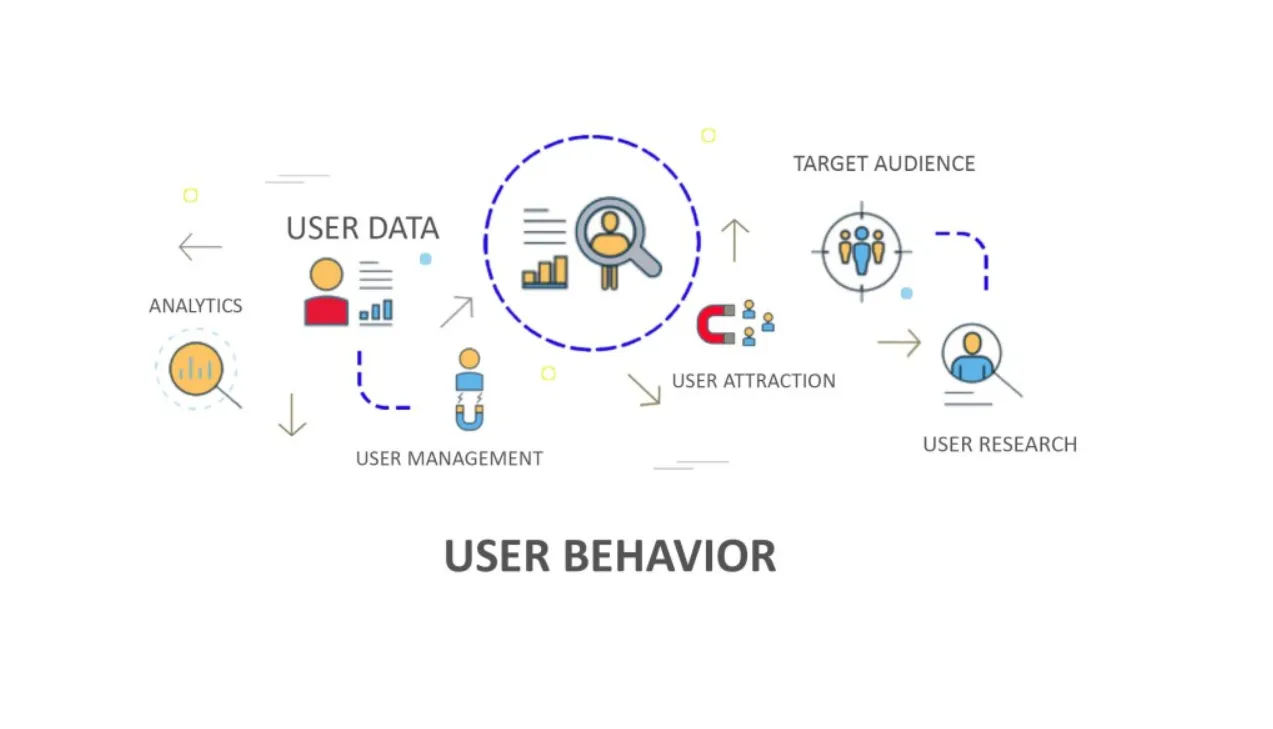
Understanding customer actions is now more critical than ever for running marketing campaigns that truly convert. User behaviour signals, such as clicks, scroll depth, time on page, and purchase history, offer insights into intent, preferences, and engagement patterns.
By analyzing these signals, marketers can predict future behavior, segment audiences effectively, and deliver highly relevant messaging at the right moment. Leveraging these insights helps optimize targeting, reduce wasted ad spend, and improve campaign performance.
In this guide, we explore practical strategies, real-world examples, and actionable tips for harnessing user behaviour signals to create smarter, data-driven marketing campaigns that drive engagement, conversions, and long-term customer loyalty.
Why User Behaviour Signals Are Critical
User behaviour signals provide real-time feedback on how audiences interact with digital content. Understanding these signals allows marketers to:
- Identify high-intent users: Recognize signals such as repeated visits, long page duration, or product engagement
- Predict future purchases: Analyze behavioral patterns to anticipate next steps in the buyer journey
- Optimize messaging: Personalize campaigns based on demonstrated interests
- Improve ROI: Allocate marketing resources efficiently by targeting audiences more likely to convert
Brands that effectively monitor and interpret these signals can make data-driven decisions, turning engagement into measurable growth.
Tips to Leverage User Behavior for Smarter Marketing Campaigns
Before diving into specific strategies, it’s essential to understand that leveraging user behaviour signals is about interpreting those signals in ways that directly enhance engagement, personalization, and conversions.
The following tips will show you how to transform raw behavioral insights into actionable steps that power smarter, more impactful marketing campaigns.
1. Click Patterns and Interaction Data
Clicks are the most basic but powerful signal for understanding user intent.
Strategies:
- Track which buttons, links, and images receive the most engagement
- Identify which products or categories users are most interested in
- Compare clicks across device types to optimize design and placement
Example: A U.S.-based apparel brand tracked clicks on different promotional banners and discovered that “limited-time offers” drove more engagement than generic banners. Adjusting future campaigns to feature high-performing banners resulted in an increase in conversions. Click patterns reveal what draws attention and helps prioritize marketing efforts effectively.
2. Scroll Depth and Content Engagement
Scroll depth measures how far users progress through a webpage, revealing content engagement levels.
Strategies:
- Identify which sections capture attention and which are skipped
- Test content placement based on scroll behavior to maximize visibility
- Use scroll-triggered pop-ups or offers to re-engage users
Example: An online fitness brand noticed users often abandoned long-form landing pages before reaching the CTA. By shortening content and moving the CTA higher, conversions increased. Scroll depth data helps marketers optimize layout and content length for better engagement.
3. Time on Page and Session Duration
The amount of time a visitor spends on a page signals interest and intent.
Strategies:
- Identify high-value pages where users spend more time
- Offer personalized recommendations or prompts on pages with long engagement
- Segment audiences by session duration for targeted campaigns
Example: An eCommerce electronics retailer offered a discount pop-up on product pages where users spent over 60 seconds. The targeted offer increased purchase rates. Longer session times indicate higher intent, making these users ideal candidates for conversion-focused campaigns.
4. Product and Category Browsing Behavior
Tracking which products and categories users explore provides insights for segmentation and targeting.
Strategies:
- Personalize recommendations based on most viewed products
- Offer category-specific promotions to high-interest users
- Analyze patterns to identify trending products
Example: A U.S.-based home goods retailer personalized email campaigns based on category browsing. Users who explored “outdoor furniture” received targeted offers, leading to an uplift in clicks and an increase in conversions. Browsing behavior is a strong predictor of purchase intent.
5. Purchase History and Repeat Behavior
Past purchases reveal what users value and what may trigger repeat buys.
Strategies:
- Segment audiences based on previous purchases
- Offer complementary products or bundle suggestions
- Implement loyalty rewards to encourage repeat purchases
Example: A subscription box company used past purchase data to recommend new boxes aligned with prior interests. This targeted approach increased repeat purchases. Leveraging historical behavior ensures campaigns are relevant and highly effective.
6. Referral Source and Campaign Interaction
Understanding how users arrive on your site provides context for personalization.
Strategies:
- Track traffic sources, such as organic search, paid ads, email, or social media
- Tailor landing pages and messaging based on referral channels
- Test different offers for high-value traffic sources
Example: An online fashion retailer discovered that users coming from influencer campaigns had higher engagement rates when landing pages matched the influencer’s messaging. Customizing pages improved conversion. Referral insights help optimize campaigns and messaging for each channel.
7. Combining Signals for Predictive Marketing
The real power comes from combining multiple user behaviour signals to anticipate intent.
Strategies:
- Use AI or analytics platforms to analyze clicks, time on page, browsing patterns, and purchase history
- Segment users into high-, medium-, and low-intent groups
- Deliver personalized campaigns, discounts, or content based on predicted behavior
Example: A U.S. electronics retailer combined click patterns, scroll depth, and previous purchases to predict high-value leads. Personalized email campaigns targeting these users increased conversions. Predictive marketing allows brands to proactively engage users rather than reactively chasing conversions.
Conclusion
User behaviour signals are essential for marketers who want to optimize campaigns, improve targeting, and increase conversions. By analyzing clicks, scroll depth, session duration, browsing patterns, purchase history, and referral sources, brands can create highly personalized, data-driven campaigns that resonate with each user. Combining these signals with AI-powered predictive tools further enhances the ability to anticipate customer intent and deliver relevant messaging at the right time.
Start harnessing user behaviour signals for smarter campaigns to implement these strategies in your marketing efforts. By understanding what drives customer behavior, eCommerce brands can optimize engagement, reduce wasted spend, and create campaigns that not only convert but also build long-term customer loyalty.

Zack Hart
Hey there! I’m Zack Hart, the pun-dedicated brain behind PunsClick.
Based in Alaska, I built this site for everyone who believes a well-placed pun can brighten a dull day.
Whether you’re into clever wordplay or cringe-worthy dad jokes, you’ll find your fix here. We’re all about bringing the world closer — one pun at a time.