

Money management has always been a universal challenge, but the way people approach personal finance varies drastically across generations. Economic conditions, cultural values, access to technology, and financial literacy resources all influence how people save, invest, and spend. In this article, we’ll compare how Gen Z, Millennials, and Baby Boomers view personal finance, exploring their unique habits, challenges, and opportunities.
Contents
- 1 1. Understanding the Generations
- 2 2. Saving Habits
- 3 3. Investing Mindsets
- 4 4. Debt Management
- 5 5. Attitudes Toward Work and Income
- 6 6. Technology and Financial Tools
- 7 7. Lifestyle and Spending Priorities
- 8 8. Retirement Outlook
- 9 9. Key Challenges Each Generation Faces
- 10 10. Lessons Across Generations
- 11 Conclusion
1. Understanding the Generations
Before comparing financial behaviors, let’s define these three groups:
- Baby Boomers (born 1946–1964): Currently between 60–78 years old, many are in or approaching retirement. They grew up in a time of economic expansion and often value stability, pensions, and home ownership.
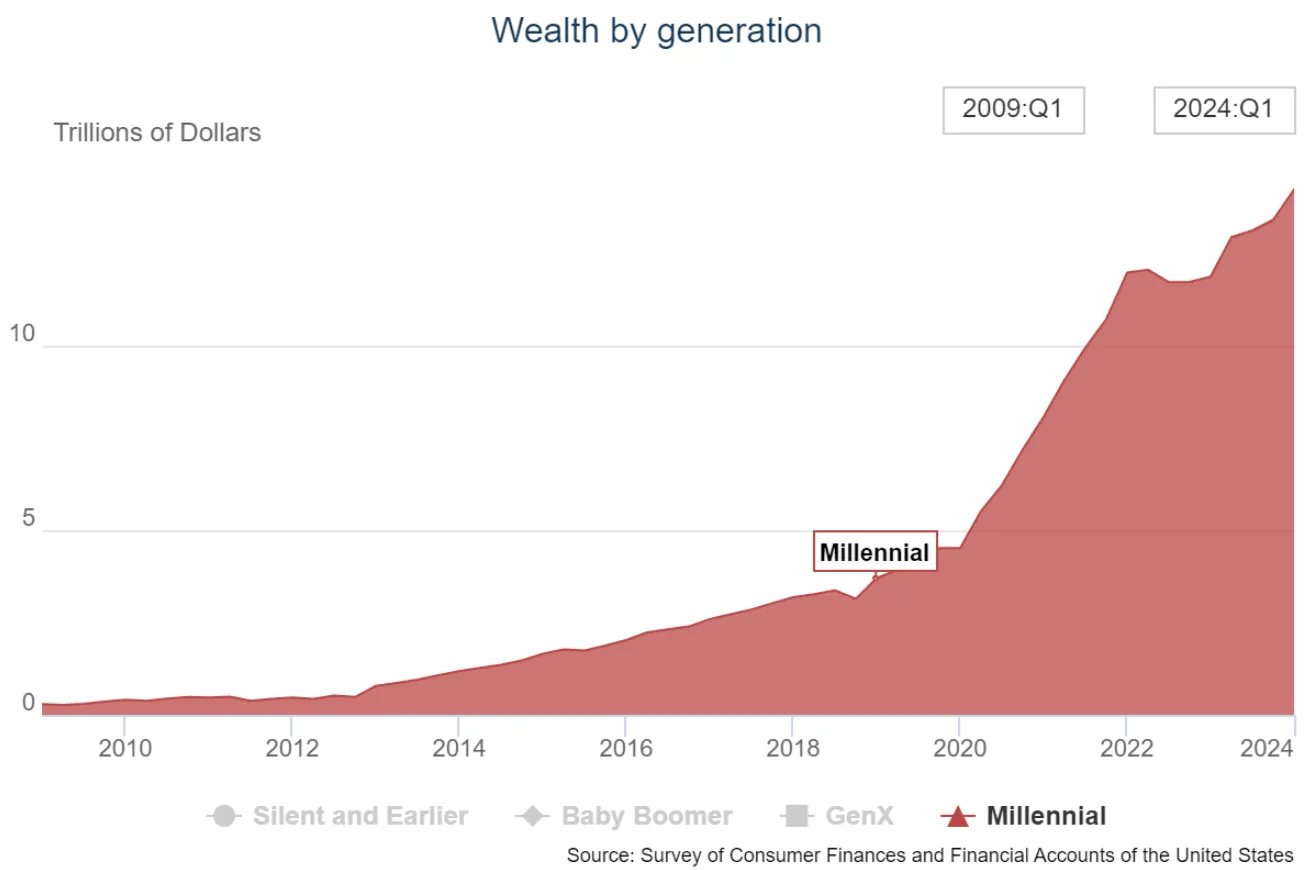
- Millennials (born 1981–1996): Now between 29–44 years old, they came of age during major recessions, rising student debt, and skyrocketing housing costs. They value experiences, flexibility, and often juggle multiple income streams.
- Gen Z (born 1997–2012): The youngest adult generation (ages 13–28), they are digital natives. Their financial outlook is shaped by technology, gig work, inflation, and a desire for financial independence earlier in life.
2. Saving Habits
Baby Boomers
Boomers were encouraged to “save for a rainy day”, and many benefitted from traditional pensions and higher interest rates during their prime earning years. Home ownership became their main wealth-builder, and savings accounts were common. However, some Boomers struggle today due to longer life expectancies and underestimating healthcare costs.
Millennials
Millennials often face criticism for “not saving enough,” but context matters. They dealt with the 2008 financial crisis, stagnant wages, and enormous student loans. Many prioritize emergency funds and retirement savings but delay major purchases like homes. Millennials often use apps like Mint or Acorns to automate savings, showing a mix of caution and tech reliance.
Gen Z
Surprisingly, Gen Z is one of the most savings-focused generations. Studies show they prioritize building emergency funds early, influenced by seeing Millennials’ financial struggles. They are more likely to open high-yield savings accounts or use digital banks. For them, saving isn’t optional—it’s survival.
3. Investing Mindsets
Baby Boomers
Boomers grew up with a “buy and hold” strategy for retirement. Many invested in 401(k)s, IRAs, and the stock market. Real estate also played a significant role in their portfolios. They are generally risk-averse today, preferring bonds, dividend-paying stocks, or annuities for steady income.
Millennials
Millennials entered investing cautiously but have recently embraced index funds, ETFs, and retirement accounts. They are also highly engaged with real estate investing, side hustles, and even cryptocurrency. Millennials’ challenge is balancing aggressive growth with paying off debts, but they are more financially literate than previous generations at the same age.
Gen Z
Gen Z is rewriting investment rules. They are comfortable with platforms like Robinhood and Coinbase, often experimenting with stocks, crypto, and fractional shares. Social media platforms like TikTok and YouTube shape their investing education—though this can be both empowering and risky. Gen Z values fast returns but is also highly entrepreneurial, exploring e-commerce and gig work as investment alternatives.
4. Debt Management
Baby Boomers
Boomers’ debt often revolves around mortgages, credit cards, and medical expenses. While many benefitted from affordable education and housing, rising healthcare costs in retirement have strained finances. Still, many Boomers carry less student loan debt compared to younger generations.
Millennials
Millennials are known as the “student debt generation.” Many owe tens of thousands in student loans, which delays wealth-building. They also face high housing costs, forcing them to rent longer. Despite this, Millennials are proactive about refinancing debt, budgeting, and side hustles to keep afloat.
Gen Z
Gen Z is more debt-averse. They watched Millennials struggle and prefer scholarships, trade schools, or avoiding loans when possible. They are also cautious about credit card use, often relying on debit or prepaid cards. However, as they age, housing and education costs may still put pressure on them.
5. Attitudes Toward Work and Income
Baby Boomers
Boomers often had long-term, stable careers with pensions and promotions. Job loyalty was common, and retirement was the ultimate goal. They measured financial success by steady income and home ownership.
Millennials
Millennials popularized the gig economy. They value flexible work, side hustles, and work-life balance. While often criticized for “job hopping,” this adaptability helped them survive unstable markets. Millennials also embrace remote work, blending technology with income strategies.
Gen Z
Gen Z expects financial independence at an earlier age. Many start side hustles in their teens, from online reselling to TikTok content creation. They are entrepreneurial, digitally skilled, and skeptical of traditional 9-to-5 jobs. Passive income, freelancing, and creative careers are highly appealing.
6. Technology and Financial Tools
- Baby Boomers: Relied on in-person banking and financial advisors. Some have adopted online banking but prefer traditional systems.
- Millennials: Early adopters of budgeting apps, robo-advisors, and online brokers. They blend traditional investing with digital platforms.
- Gen Z: Entirely digital-first. They use Venmo, Cash App, Robinhood, Coinbase, and TikTok finance influencers. While tech-savvy, they risk misinformation from unreliable online sources.
7. Lifestyle and Spending Priorities
Baby Boomers
Boomers prioritized home ownership, cars, and retirement savings. They spent heavily on family needs but valued frugality and stability. Travel and leisure in retirement are big spending areas now.
Millennials
Millennials value experiences over possessions. Travel, dining out, and technology are priorities. They delay buying homes or luxury cars, often due to affordability issues. Millennials also spend on self-improvement and health, seeing money as a tool for balance rather than just security.
Gen Z
Gen Z combines frugality with digital consumption. They spend on streaming services, gaming, and online shopping but are cautious with big purchases. Environmental consciousness influences spending—preferring sustainable brands. For them, spending is a mix of necessity and values.
8. Retirement Outlook
- Baby Boomers: Many are already retired but face challenges with healthcare costs and outliving savings. Social Security remains crucial.
- Millennials: Concerned about whether Social Security will exist for them. Many are aggressively saving in 401(k)s, IRAs, or alternative investments.
- Gen Z: Has the longest timeline but is already thinking about retirement. They prefer early financial independence (FIRE movement) and want to avoid the struggles they see in older generations.
9. Key Challenges Each Generation Faces
- Boomers: Rising healthcare costs, longevity risk, and inflation affecting fixed incomes.
- Millennials: Student debt, delayed home ownership, and balancing family responsibilities.
- Gen Z: Risk of misinformation, unstable job markets, and adapting to rising living costs early in adulthood.
10. Lessons Across Generations
- From Boomers: Long-term planning and the value of owning assets.
- From Millennials: Resilience, financial adaptability, and the importance of balancing work with quality of life.
- From Gen Z: Embracing technology, financial independence, and early planning.
Each generation has something to teach the other. Together, they paint a complete picture of how personal finance evolves with time.
Conclusion
Personal finance is deeply shaped by the era we grow up in. Baby Boomers relied on stability and asset-building, Millennials navigated uncertainty with flexibility, and Gen Z is redefining money management in a digital world. While their approaches differ, the common thread is the desire for security, independence, and financial freedom.
Ultimately, success isn’t about which generation is “right,” but about learning from each other’s strengths. By combining Boomer stability, Millennial resilience, and Gen Z innovation, future generations can build healthier financial futures.

Zack Hart
Hey there! I’m Zack Hart, the pun-dedicated brain behind PunsClick.
Based in Alaska, I built this site for everyone who believes a well-placed pun can brighten a dull day.
Whether you’re into clever wordplay or cringe-worthy dad jokes, you’ll find your fix here. We’re all about bringing the world closer — one pun at a time.