

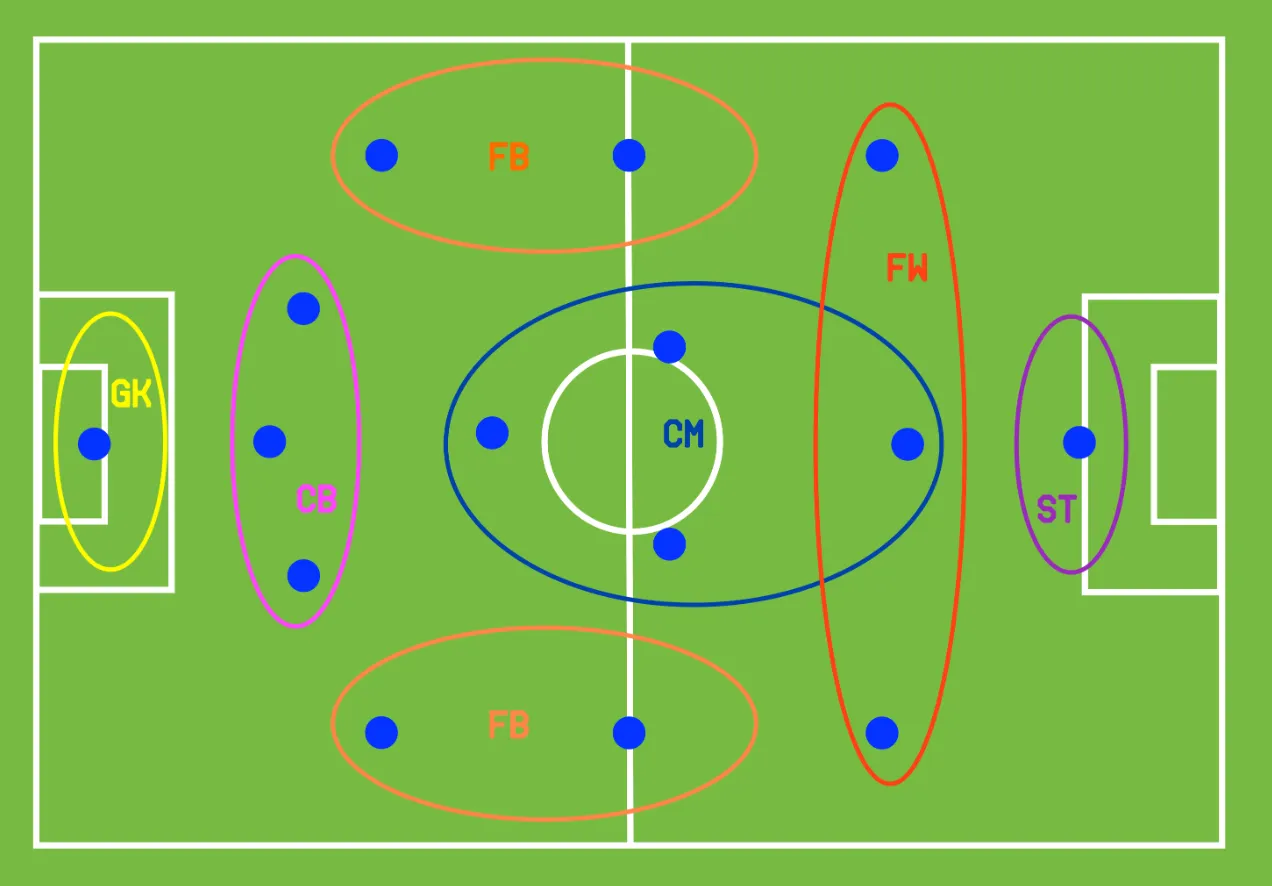
In the Premier League, injuries to core players rarely affect teams in equal ways. Some sides absorb absences with minimal disruption, while others lose coherence almost immediately. The difference lies in structure, role dependency, and tactical elasticity. A clear pre-match analysis must move beyond headline names and examine how those absences alter spacing, decision speed, and game control.
Contents
- 1 Why Multiple Injuries Change Matches More Than Lineups
- 2 Identifying Which Absences Truly Matter
- 3 Team Profiles That React Differently to Injury Clusters
- 4 Mechanisms That Reveal Injury Impact Before Kickoff
- 5 Bench Quality vs System Dependency
- 6 Adjusting Pre-Match Expectations and Markets
- 7 When Injury Analysis Can Mislead
- 8 Summary
Why Multiple Injuries Change Matches More Than Lineups
When several first-choice players are unavailable, the cause is not just reduced quality but broken continuity. Established automatisms disappear, forcing unfamiliar combinations. The outcome is slower circulation and delayed reactions. The impact shows up in lost duels, mistimed presses, and defensive hesitation rather than obvious mistakes.
This effect compounds when injuries cluster in the same unit, such as midfield or central defense.
Identifying Which Absences Truly Matter
Not all injured players carry the same structural weight. Some roles anchor systems; others are replaceable without reshaping the game model.
Before listing indicators, it is important to recognize that structural importance outweighs individual reputation. A missing controller can be more damaging than a missing scorer.
- Central midfielders responsible for first progression
- Center-backs organizing line height and rest defense
- Full-backs providing width and recovery speed
- Press leaders initiating triggers
Interpreting this list highlights why teams can lose balance even when “star power” remains on the pitch, altering match expectations significantly.
Team Profiles That React Differently to Injury Clusters
Certain Premier League clubs historically cope better with injury waves due to squad design and tactical clarity.
Teams such as Manchester City and Arsenal often mitigate losses through positional play and role redundancy. By contrast, Liverpool, Newcastle United, and Tottenham Hotspur have shown periods where simultaneous absences exposed structural fragility rather than isolated weakness.
Mechanisms That Reveal Injury Impact Before Kickoff
Understanding how injuries manifest tactically helps avoid late surprises.
Structural Warning Signals
These mechanisms usually appear in the first 15 minutes of play.
- Deeper defensive line than season average
- Reduced central overloads in buildup
- Hesitant pressing with delayed triggers
- Increased long-ball frequency
Recognizing these signs explains why some injury-hit teams concede territory early even against modest opponents.
Bench Quality vs System Dependency
Depth is not only about numbers but about fit. A strong bench matters less if substitutes cannot replicate role-specific demands.
Before reviewing the table below, note that it compares role continuity, not player rating.
| Factor | Low Impact | High Impact | Meaning |
| Role overlap | High | Low | Tactical continuity |
| Training exposure | Familiar | Limited | Decision speed |
| Positional swaps | Minimal | Frequent | Structural stress |
| Game-state response | Stable | Erratic | Adaptability |
This comparison shows why teams with fewer but well-matched replacements often outperform deeper squads with poor role alignment.
Adjusting Pre-Match Expectations and Markets
From a pre-match analysis perspective, injury clusters require recalibration of expectations rather than automatic downgrades. Analysts assess whether absences affect buildup, defensive control, or transition defense most severely.
When comparing prices and lines through a football betting website or betting environment, conditional judgment matters. Under scenarios where multiple core roles are missing, reviewing adjusted markets on UFABET helps contrast opening assumptions with revised probabilities based on structure, not reputation. This approach supports disciplined evaluation by aligning injury context with realistic match flow projections.
When Injury Analysis Can Mislead
Injuries do not always equal decline. Short-term unity, simplified tactics, or conservative plans can stabilize teams temporarily.
The failure case arises when analysts overreact to injury lists without accounting for opponent approach or game state expectations.
Summary
Analyzing Premier League teams with multiple key injuries demands structural thinking. The true impact depends on role importance, system flexibility, and replacement fit rather than headline names. By focusing on mechanisms, continuity, and tactical responses, pre-match analysis becomes more accurate and less reactive to surface-level information.

Zack Hart
Hey there! I’m Zack Hart, the pun-dedicated brain behind PunsClick.
Based in Alaska, I built this site for everyone who believes a well-placed pun can brighten a dull day.
Whether you’re into clever wordplay or cringe-worthy dad jokes, you’ll find your fix here. We’re all about bringing the world closer — one pun at a time.