

The global automotive market is in the midst of its most consequential transformation since the assembly line. Electrification, software-defined vehicles, new supply chains, and fast-shifting consumer expectations are reshaping how cars are engineered, built, sold, and serviced. Below is a concise but deep look at the major trends, the headwinds facing the industry, and the regional dynamics that will define the next decade.
Contents
Market Overview: A Sector Redefined
Automotive demand remains large and cyclical, but the sources of growth are shifting. Mature markets are nearing saturation for internal combustion engine (ICE) vehicles, while emerging economies continue to add first-time buyers. Meanwhile, the profit pool is tilting from metal to modules: software, electronics, batteries, and services (financing, connectivity, subscriptions) are taking a larger slice of lifetime vehicle value. The industry’s center of gravity is also moving eastward, with Asia—especially China—setting the pace in EV adoption, battery supply chains, and consumer-tech integration in vehicles.
Key Trends Shaping the Industry
1) Electrification Goes Mainstream—But With Nuance
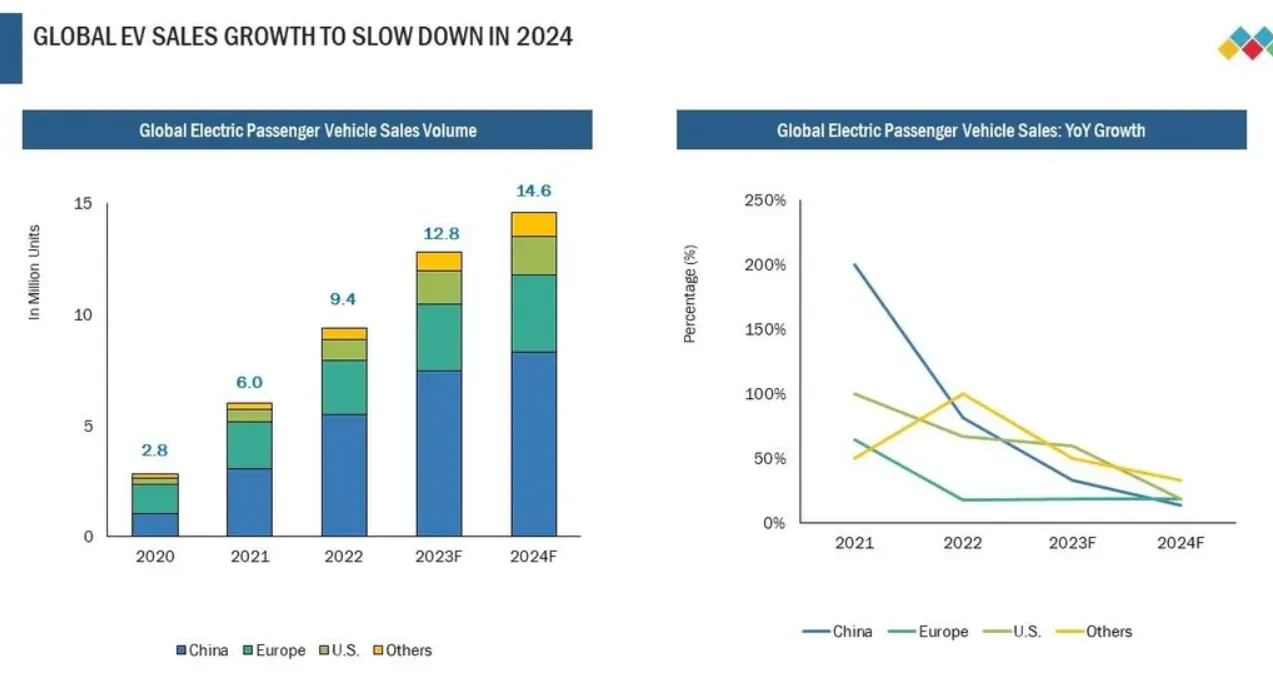
Battery electric vehicles (BEVs) and plug-in hybrids (PHEVs) are moving from early adopters to early majority in several markets. Falling battery costs over the long run, improving range, and expanding model lineups are structurally supportive. Still, uptake is uneven: incentives, electricity prices, charging access, and consumer perceptions about residual values vary by region. Hybrids are enjoying a strong resurgence as a “bridge technology,” particularly where charging infrastructure lags or electricity tariffs are high.
What to watch:
- Chemistries (LFP vs. NMC vs. emerging sodium-ion) for cost, range, and cold-weather performance.
- Second-life and recycling ecosystems for batteries, which can ease raw-material constraints and improve sustainability metrics.
- Fleet electrification (last-mile delivery, ride-hailing) as a catalyst for scale and utilization of charging assets.
2) Software-Defined Vehicles and Over-the-Air (OTA) Everything
Cars are becoming rolling computers. Centralized compute, high-speed networking, and OTA updates enable rapid feature deployment, bug fixes, and—even more importantly—feature monetization post-sale. Infotainment ecosystems, ADAS feature unlocks, and connected services open recurring revenue streams. The challenge is architectural complexity: integrating domains (infotainment, powertrain, ADAS) on common platforms while maintaining cybersecurity and functional safety.
What to watch:
- Shift from dozens of electronic control units (ECUs) to domain/zonal architectures.
- Partnerships between automakers and chipmakers/cloud providers for in-vehicle compute and data platforms.
- Regulatory pressure on data privacy, cybersecurity, and right-to-repair.
3) ADAS Matures; Autonomy Progress Is Incremental
Advanced driver-assistance systems (ADAS)—automatic emergency braking, lane-keeping, adaptive cruise—are now table stakes in many segments. Level 2/2+ systems continue to get better, but true Level 4 autonomy remains constrained to geo-fenced pilots due to cost, liability, and edge-case complexity. The near-term value lies in safer, less-fatiguing driving and reduced insurance costs, not full self-driving everywhere.
What to watch:
- Sensor stacks (camera-only vs. camera + radar + lidar) and associated BOM costs.
- Insurance models and safety ratings that reward ADAS performance.
- Commercial autonomy (robotaxis, autonomous trucking in controlled corridors) as a proving ground.
4) Supply Chains: From “Just-in-Time” to “Just-in-Case”
Pandemic-era disruptions, semiconductor shortages, and geopolitical tensions have catalyzed a pivot to resilience. Automakers are dual-sourcing, building strategic inventories, localizing production, and—critically—moving upstream into chips and battery materials through partnerships and offtake agreements. This raises costs in the short run but reduces vulnerability. Onshoring and “friend-shoring” are reshaping trade flows and plant footprints.
What to watch:
- Local battery giga-factories near final assembly plants to qualify for incentives and reduce logistics risk.
- New entrants in power electronics (SiC/GaN) and their capacity ramps.
- Standardization of cell formats and pack architectures for manufacturing efficiency.
5) Sales Models and the Customer Journey Are Going Digital
Consumers expect online research, transparent pricing, and seamless delivery – including reliable auto transport services that bring vehicles directly to buyers’ homes. Direct-to-consumer (DTC) and agency models are evolving alongside traditional dealer networks. Used-vehicle marketplaces, subscription pilots, and remote service are expanding. In many markets, the dealer remains central for local relationships and aftersales, but the role is shifting from price negotiator to experience provider and service hub – including partnerships with specialized service centers such as an auto body shop in Los Angeles that exemplify the shift toward digital scheduling, transparency, and customer-centric repair experiences.
What to watch:
- Regulatory constraints on DTC sales.
- Residual value management for EVs and software-locked features.
- Data-driven maintenance and predictive service offerings.
Structural Challenges
1) Profitability in the EV Transition
EVs carry different cost structures. While powertrain assembly is simpler, batteries dominate the bill of materials. Price wars—especially in China—pressure margins. Automakers are pushing platform reuse, vertical integration in batteries, and simplification (fewer variants, standardized modules) to restore returns. The long game is software monetization to offset lower hardware margins.
2) Charging Infrastructure and the Grid
Range anxiety has become “charger anxiety.” Public fast-charging needs to expand and become more reliable. Grid capacity and tariff structures matter: if electricity is costly or peak pricing is high, consumer TCO (total cost of ownership) advantages shrink. Smart charging, home charging incentives, workplace charging, and interoperability standards are essential.
3) Regulatory Complexity and Trade Frictions
Emissions targets, safety standards, and content rules differ across regions. Tariffs and anti-subsidy measures can upend sourcing strategies. Automakers must design flexible platforms that can meet diverging rules without exploding complexity or cost.
4) Talent and Tooling
The shift from mechanical to software-centric products demands new skills—AI/ML, cybersecurity, embedded systems, power electronics. Competition for talent with the broader tech sector is fierce. Meanwhile, factories need retooling for battery pack assembly, high-voltage safety, and new quality regimes.
5) Volatile Input Costs
Lithium, nickel, cobalt, graphite, copper, and rare earths can be volatile. Long-term contracts, recycling, and chemistry choices help manage risk. Weight reduction (aluminum, mixed materials) and efficient thermal management also play roles in cost and range optimization.
Regional Insights
North America
The U.S. and Canada are using incentives and content requirements to localize EV and battery production. Pickup trucks and large SUVs dominate profits, so electrifying these segments is strategically crucial. Charging networks are expanding, but reliability and rural coverage remain pain points. The dealer network remains influential, shaping the pace of DTC experimentation. Software features and big-screen infotainment resonate with consumers, but subscription fatigue is real.
Opportunities: Domestic battery supply chains, fleet electrification (delivery vans, corporate fleets), and subscription-based driver assists.
Risks: Policy swings by state/federal administrations, charging reliability, and affordability sensitivity as interest rates fluctuate.
Europe
Europe is regulation-led, with aggressive CO₂ targets and strong safety mandates. EV and hybrid uptake is high in Northern and Western Europe, while Southern and Eastern markets are more price sensitive. Urban policies (low-emission zones, parking incentives) accelerate adoption. The region is also focused on sustainability transparency—from battery passports to recycling quotas. Luxury and premium segments remain strong, but price competition from value-oriented imports is intensifying.
Opportunities: Compact EVs for urban markets, fleet compliance solutions, and circular-economy leadership (recycling/refurbishment).
Risks: Energy price volatility, stringent regulatory timelines, and consumer pushback on vehicle and charging costs.
China
China is the world’s largest auto and EV market, with intense domestic competition, rapid model cycles, and tech-forward interiors. Cost leadership in batteries and an advanced supplier base allow aggressive pricing. Consumers expect connected features, voice assistants, and rich infotainment. Export ambitions are rising, with Chinese brands targeting Europe, Latin America, and parts of Asia.
Opportunities: Partnerships for platforms and components; advanced battery chemistries (LFP, sodium-ion) and vertical integration.
Risks: Trade barriers and tariffs abroad; domestic price wars and rapid obsolescence.
Japan and South Korea
Both remain powerhouses in engineering, reliability, and hybrids. Japan’s consumer base skews toward efficiency and compact vehicles; PHEVs and HEVs are strong as charging growth is gradual. South Korean brands have gained global share with design-led EVs, competitive pricing, and robust warranties. Suppliers in both countries are pivotal in semiconductors, batteries, and power electronics.
Opportunities: Export-led EV platforms, premium hybrids, and crucial components (cells, chips, inverters).
Risks: Currency swings and the need to scale fast-charging ecosystems domestically.
India and Southeast Asia
These are growth engines for the next decade. Two-wheelers and small cars dominate India, where affordability and operating costs are decisive. EV adoption is building, led by scooters, three-wheelers, and commercial fleets. Southeast Asia is diverse: Thailand and Indonesia are vying to become EV manufacturing hubs, leveraging nickel reserves and incentives.
Opportunities: Low-cost EVs and hybrids, fleet electrification, and localized battery materials processing.
Risks: Infrastructure gaps, financing costs, and sensitivity to import duties.
Middle East and Africa
Vehicle markets here are younger and more import-dependent. The Gulf is investing in EV charging corridors and luxury segments; North Africa has assembly clusters linked to Europe; Sub-Saharan Africa remains price sensitive with strong demand for used vehicles. Fuel prices and energy policy vary widely, shaping adoption.
Opportunities: Fleet and government procurement, off-grid/solar-backed charging pilots, and ruggedized vehicles.
Risks: Infrastructure reliability, income volatility, and policy inconsistency.
Latin America
Brazil and Mexico anchor the region, with Mexico a manufacturing hub tied to North American supply chains. Flex-fuel (ethanol blends) remains important in Brazil. EV adoption is slower but growing, with hybrids and affordable compact cars bridging the gap.
Opportunities: Nearshoring to North America, affordable electrified models, and commercial fleets.
Risks: Macroeconomic volatility, credit availability, and uneven charging buildout.
Strategic Priorities for Automakers and Suppliers
- Platform Discipline: Fewer, modular platforms spanning ICE, hybrid, and EV trims reduce complexity and improve scale economics.
- Battery Strategy: Diversify chemistries; lock in long-term material supply; invest in recycling and second-life use cases.
- Software Monetization: Design vehicles for OTA from day one; prioritize user experience; ensure transparent value for paid features.
- Supply Resilience: Multi-source critical components, localize where incentives and logistics favor it, and adopt digital twins for supply-chain visibility.
- Customer Lifetime Value: Focus on services—insurance partnerships, predictive maintenance, energy management, and connected experiences—to extend revenue beyond the initial sale.
- Sustainability as P&L: Treat emissions, recycling, and circularity not only as compliance but as cost and brand advantages.
Outlook: 2025–2030
Expect measured but durable growth centered on electrification, with hybrids playing an outsized transitional role. Profit pools will rebalance toward software and services, while manufacturing footprints adapt to trade realities and incentives. Winners will combine cost discipline, platform focus, and compelling digital experiences with resilient, localized supply chains. For consumers, the outcome should be more choice, smarter vehicles, and better total cost of ownership—provided infrastructure and policy keep pace.
In short, the automotive market is not just selling cars anymore—it’s selling mobility platforms. The companies that master batteries, bytes, and the business model around them will define the next era.

Zack Hart
Hey there! I’m Zack Hart, the pun-dedicated brain behind PunsClick.
Based in Alaska, I built this site for everyone who believes a well-placed pun can brighten a dull day.
Whether you’re into clever wordplay or cringe-worthy dad jokes, you’ll find your fix here. We’re all about bringing the world closer — one pun at a time.