
Property turnover projects move fast by necessity. House flippers operate on tight timelines driven by carrying costs, financing terms, and market conditions. Every day a property sits idle increases expenses and compresses margins. In this environment, waste removal is not a background task. It is a functional part of how quickly a property can be cleared, renovated, and prepared for resale or rent.
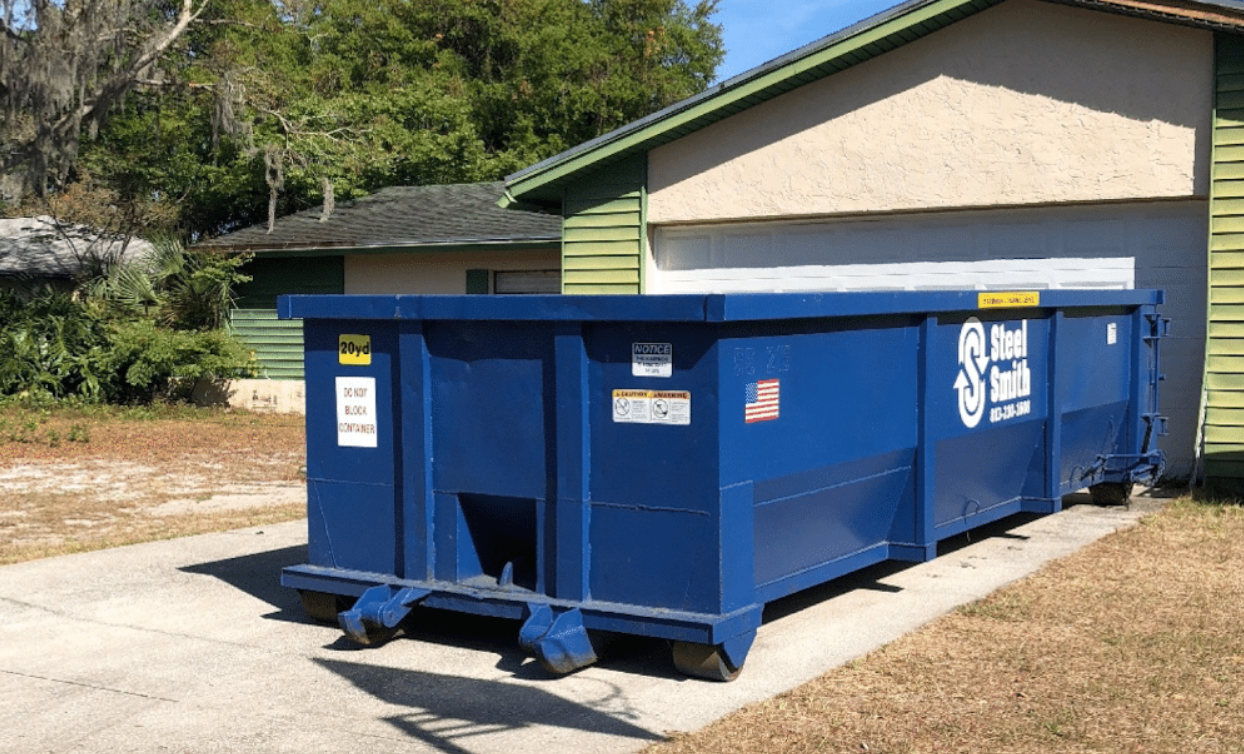
Dumpster rentals play a central role in managing debris during turnovers because they provide short-term capacity that aligns with rapid, high-output work. When planned correctly, they help flippers maintain momentum from acquisition through listing.
Contents
- 1 Waste Generation During Property Turnovers
- 2 Speed and Scheduling Pressures
- 3 Matching Container Size to Turnover Scope
- 4 Placement on Residential Properties
- 5 Supporting Crew Efficiency
- 6 Adapting to Unexpected Discoveries
- 7 Reducing Offsite Hauling
- 8 Maintaining Professional Presentation
- 9 Coordinating With Experienced Providers
- 10 Cost Control and Predictability
Waste Generation During Property Turnovers
Turnover projects typically begin with a cleanout phase. Furniture, fixtures, accumulated belongings, and general household debris are often removed immediately after purchase. This is followed by demolition work that produces drywall, flooring, cabinetry, and trim. Packaging waste and surplus materials then appear as renovations progress.
These phases often overlap to save time. Without adequate waste capacity onsite, debris accumulates quickly and competes for space needed by crews and materials. Dumpster rentals provide a centralized disposal solution that keeps work areas usable as waste is generated.
Speed and Scheduling Pressures
House flippers rarely have the luxury of flexible schedules. Delays in cleanup or demolition can cascade into missed contractor windows, delayed inspections, or postponed listing dates. Waste removal interruptions, even brief ones, can slow progress at critical points.
Scheduling dumpster delivery early supports faster starts on cleanouts and demolition. Timely removal after high-output phases frees space for later work such as staging, painting, or final repairs. Aligning dumpster service with project milestones helps maintain consistent forward motion.
Matching Container Size to Turnover Scope
Not all turnover projects are the same. Some involve cosmetic updates, while others require extensive interior or structural changes. Dumpster size selection should reflect the true scope of work rather than a one-size-fits-all approach.
Undersized containers often fill quickly and require additional hauls that interrupt fast-paced schedules. Oversized dumpsters may occupy unnecessary space, particularly on residential properties with limited access. Flippers benefit from selecting container sizes based on expected debris volume during the most intensive phase, then adjusting service as the project progresses.
Placement on Residential Properties
Most turnover projects occur in residential neighborhoods where space and visibility matter. Dumpster placement must account for driveway access, street use, and local restrictions. Poor placement can block deliveries, interfere with subcontractor access, or draw complaints from neighbors.
Thoughtful placement supports efficient debris disposal while minimizing disruption. It also helps maintain a cleaner site appearance, which is important when properties are shown before renovations are fully complete.
Supporting Crew Efficiency
Turnover projects often involve multiple trades working in quick succession. When waste is not managed effectively, crews spend time navigating clutter, relocating debris, or staging materials temporarily. These inefficiencies add up quickly on short timelines.
Dumpsters provide a consistent destination for debris, allowing crews to dispose of waste as work progresses. This reduces handling time and keeps labor focused on renovation tasks rather than cleanup logistics.
Adapting to Unexpected Discoveries
House flips frequently uncover hidden issues such as water damage, outdated systems, or structural problems. These discoveries increase waste volume and can alter the renovation plan midstream.
Dumpster rentals offer flexibility that helps flippers adapt. Rental duration and haul frequency can be adjusted as conditions change, keeping waste management aligned with actual project needs rather than original assumptions. This adaptability reduces the need for emergency solutions that disrupt schedules.
Reducing Offsite Hauling
Without dumpster rentals, flippers often rely on hauling debris offsite themselves. This approach pulls labor away from renovation work and introduces transportation time, fuel costs, and scheduling uncertainty.
Onsite dumpsters shift disposal responsibility away from crews. Waste is removed efficiently without requiring repeated trips to disposal facilities. For turnover projects where speed is essential, this time savings can be significant.
Maintaining Professional Presentation
Property turnover projects are often evaluated by lenders, inspectors, and buyers before work is fully complete. Accumulated debris or poorly managed waste can detract from perceived progress and professionalism.
Consistent waste containment helps maintain a more controlled site appearance throughout the renovation. This supports smoother inspections, appraisals, and walkthroughs, all of which influence the timeline to sale or lease.
Coordinating With Experienced Providers
Effective waste management during turnovers depends on working with providers that understand short-duration, high-output residential projects. Reliable scheduling and responsiveness are critical when timelines are tight.
Many house flippers coordinate with providers such as Waste Removal USA, whose experience with renovation and cleanout workflows helps align dumpster service with the realities of property turnover projects.
Cost Control and Predictability
Dumpster rentals represent a small portion of overall project cost, but poor planning can introduce indirect expenses such as labor downtime or extended holding periods. Flippers who plan waste capacity and service timing accurately are better positioned to control these hidden costs.
Including waste removal in early project planning supports more predictable budgets and reduces last-minute adjustments that affect profitability.
Dumpster rentals play a practical and often underestimated role in property turnover projects. By providing temporary waste capacity aligned with fast-paced renovation work, they help house flippers maintain clean sites, efficient workflows, and predictable schedules.
When waste removal is integrated into turnover planning rather than treated as an afterthought, projects move more smoothly from acquisition to market-ready condition. For house flippers operating under constant time pressure, dumpster rentals are a functional tool that supports speed, organization, and control throughout the entire process.

Zack Hart
Hey there! I’m Zack Hart, the pun-dedicated brain behind PunsClick.
Based in Alaska, I built this site for everyone who believes a well-placed pun can brighten a dull day.
Whether you’re into clever wordplay or cringe-worthy dad jokes, you’ll find your fix here. We’re all about bringing the world closer — one pun at a time.