

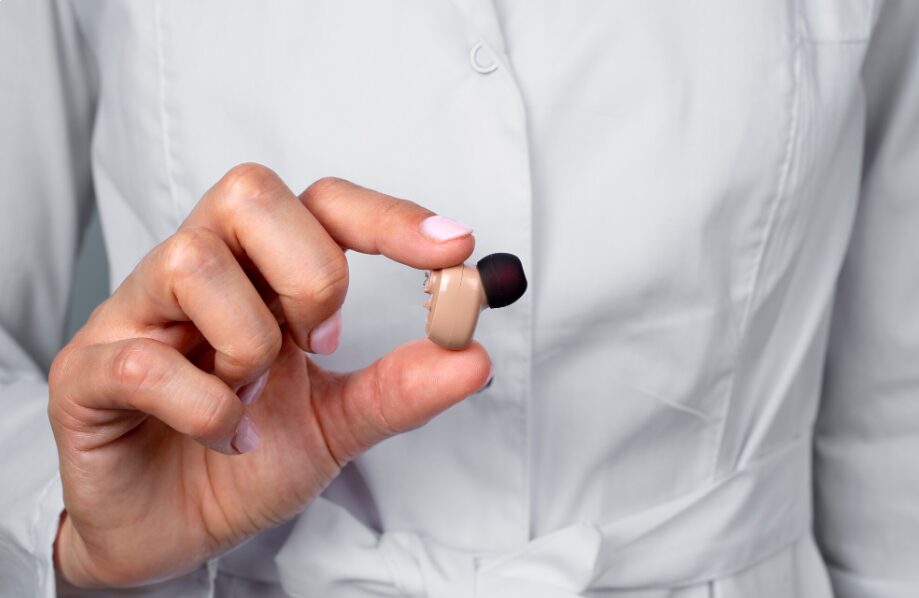
Cochlear implants are sophisticated electronic medical devices designed to assist individuals with severe to profound hearing loss. Unlike traditional hearing aids, which amplify sound, cochlear implants bypass damaged hair cells in the inner ear and directly stimulate the auditory nerve. This technology allows recipients to perceive sound more clearly, improving communication, social interaction, and overall quality of life.
Originally developed in the mid-20th century, cochlear implants have transformed the lives of countless individuals. Advances in medical research and technology have made these devices increasingly effective, offering hope for people who previously had limited options for hearing improvement.
Contents
Understanding Cochlear Implants
How Cochlear Implants Work
Cochlear implants convert sound waves into electrical signals that bypass damaged portions of the inner ear. These signals are transmitted directly to the auditory nerve, enabling the brain to interpret them as sound. This allows recipients to detect speech, environmental noises, and music more effectively than with traditional hearing aids.
Components of Cochlear Implants
Cochlear implants generally consist of two main components:
- External Unit: Includes a microphone, speech processor, and transmitter that captures and converts sound.
- Internal Unit: Features a receiver/stimulator and electrode array implanted in the cochlea to stimulate the auditory nerve directly.
Cochlear Implants vs. Hearing Aids
While hearing aids amplify sound, cochlear implants provide direct auditory nerve stimulation. This distinction makes implants suitable for individuals with severe hearing loss who gain minimal benefit from amplification alone.
Who Can Benefit from Cochlear Implants
Candidate Criteria
Eligibility depends on several factors, including:
- Degree and duration of hearing loss
- Limited benefit from conventional hearing aids
- Overall health and suitability for surgery
- Potential for auditory rehabilitation
Age Groups
Cochlear implants can benefit individuals across all ages:
- Infants and Children: Support speech and language development early in life
- Adults: Improve hearing for communication, work, and social interactions
When to Consider an Implant
Cochlear implants are often considered when hearing loss is profound and traditional hearing aids no longer provide adequate support. Timely intervention can enhance speech perception and reduce developmental delays in children.
The Cochlear Implant Process
Pre-Surgery Evaluations
Candidates undergo thorough assessments, including hearing tests, medical evaluations, and imaging studies. These ensure safety and help the medical team develop a personalised surgical plan.
Surgical Procedure
The implantation involves placing the internal device in the cochlea and connecting it to the auditory nerve. Surgery typically lasts a few hours and is followed by close monitoring during recovery.
Post-Surgery Recovery and Adjustment
Recovery involves adapting to the new auditory experience. Patients participate in therapy to train the brain to interpret electrical signals as sound. Regular follow-ups ensure proper implant function and optimal hearing outcomes.
Programming and Maintenance
The implant is programmed according to the individual’s hearing profile. Regular check-ups allow for fine-tuning, ensuring the device continues to meet the user’s evolving auditory needs.
Benefits of Cochlear Implants

Improved Hearing Capacity
Cochlear implants can significantly enhance auditory perception, allowing individuals to engage in conversations, detect environmental sounds, and enjoy music, which improves overall quality of life.
Speech and Communication
Recipients often experience better speech understanding and communication skills. This leads to improved social interactions, workplace performance, and emotional well-being.
Life Enhancements
Beyond hearing, cochlear implants can boost confidence, reduce social isolation, and support mental health. Many users report increased independence and an overall improvement in daily life satisfaction.
Impact on Hearing Loss
Scientific Evidence
Numerous studies support cochlear implants as an effective solution for severe hearing loss. Research shows significant gains in speech perception, auditory comprehension, and social engagement.
Reversing or Mitigating Hearing Loss
Cochlear implants can restore auditory input for individuals with irreversible hair cell damage, improving brain stimulation and preventing further auditory deprivation.
Personal Success Stories
Many recipients share transformative experiences, highlighting how implants have enabled them to communicate better, pursue education or careers, and reconnect with family and community.
Risks and Considerations
Potential Complications
As with any surgery, risks include infections, bleeding, anaesthesia-related complications, and device-related issues. Proper pre-surgery evaluation and post-operative care help minimise these risks.
Limitations
Cochlear implants may not fully restore normal hearing. Outcomes vary among individuals, and ongoing rehabilitation is essential for success. Some users require time to adapt to the device.
Importance of Post-Implant Therapy
Therapy and follow-ups are critical for maximising hearing outcomes. They ensure proper adjustment, monitor device performance, and provide training for optimal speech recognition and auditory processing.
Cochlear Implants FAQs
- What is a cochlear implant? An electronic device that bypasses damaged ear cells to stimulate the auditory nerve directly.
- Who is eligible for a cochlear implant? Individuals with severe to profound hearing loss who gain limited benefit from hearing aids.
- Is surgery safe? Yes, with proper medical assessment and follow-up care.
- Will it restore normal hearing? Cochlear implants improve hearing significantly, but outcomes vary, and they may not fully replicate natural hearing.

Zack Hart
Hey there! I’m Zack Hart, the pun-dedicated brain behind PunsClick.
Based in Alaska, I built this site for everyone who believes a well-placed pun can brighten a dull day.
Whether you’re into clever wordplay or cringe-worthy dad jokes, you’ll find your fix here. We’re all about bringing the world closer — one pun at a time.